How AI assistants pick sources
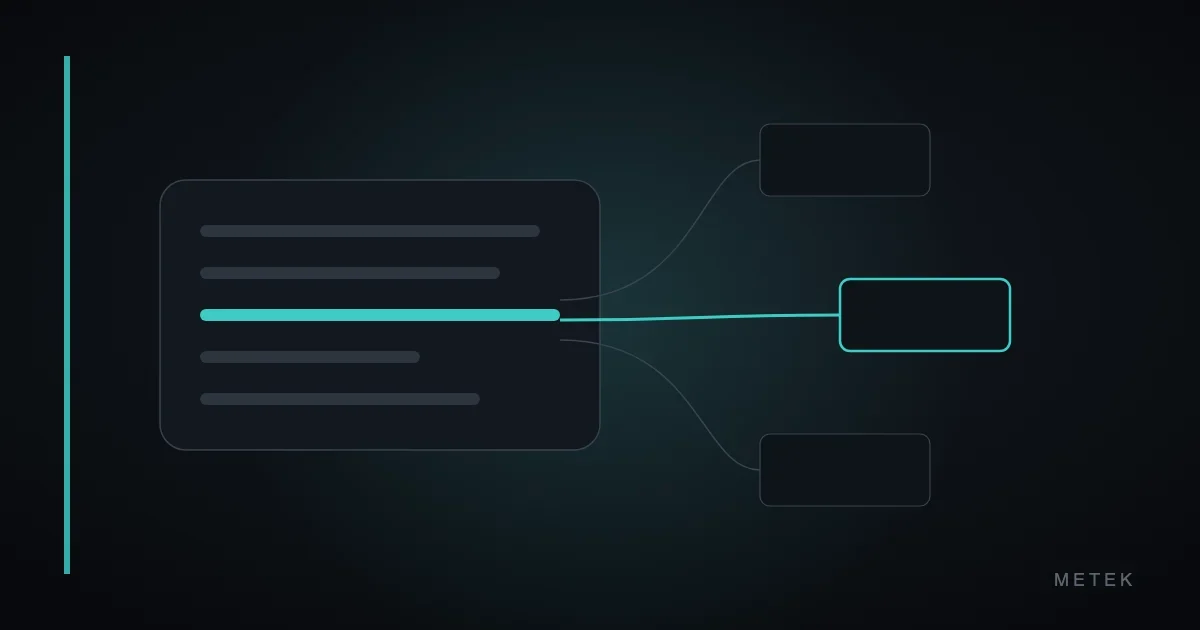
Assistants with web access run searches, read a small set of pages and compose an answer from them. They favor pages that load quickly, state facts plainly and agree with other sources about the same business. If your website, your Google Business Profile and a directory listing describe you three different ways, the model has to guess, and it often picks someone else.
The term GEO comes from a 2023 research paper that tested which content changes made pages more likely to appear in generated answers. Citations, statistics and clear, quotable statements helped. Keyword stuffing did not.
Make your entity unmistakable
Use the same company name, service names, locations and founder names everywhere. Write a short, factual description of the business and repeat it on your about page, your profiles and your structured data. Link the people, services and products on your site to the organization with schema.org markup.
This sounds basic because it is. It is also the step most sites skip, and it is the one that most often explains why an assistant describes a company inaccurately.
Write pages that can be quoted
A model quoting your page needs a sentence that answers the question on its own. Service pages should say what the service is, who it is for and how it works in full sentences. FAQ answers should be complete answers, not invitations to call.
Specifics help: the areas you serve, the industries you work with, dated results from real projects. One of our own local service sites was listed first for recorded queries on ChatGPT and Gemini, and we wrote up what made the difference.
Technical checks that come first
None of this matters if crawlers cannot read the page. Check that your robots rules allow AI search bots such as OAI-SearchBot, PerplexityBot and Google's crawlers. Serve the main content in the HTML rather than loading it only with client-side scripts. Keep canonical URLs, sitemaps and hreflang consistent.
An llms.txt file can add a machine-readable summary of the business, but it supports good pages rather than replacing them.
Measuring GEO honestly
There is no rank tracker for AI answers that tells the whole story. Keep a list of the questions buyers ask, run them in the main assistants every month and record which sources appear. Dated screenshots are more useful than any single score.
No agency can guarantee a mention, because nobody controls how an assistant composes an answer. What you can control is whether your site is the clearest, most consistent source on the topic. That is the core of our GEO service.