A hotel site that belongs to the property.
Guests decide on rooms, location, and how to write or book. We design hospitality websites around those facts, with page structure search engines can index, not a template that could sit on any street.
- 10
- Products built in-house
- 12
- Web projects in the portfolio
- 04
- Site languages: EN, TR, ES, DE
- UTC+3
- Overlaps US mornings and the full EU workday
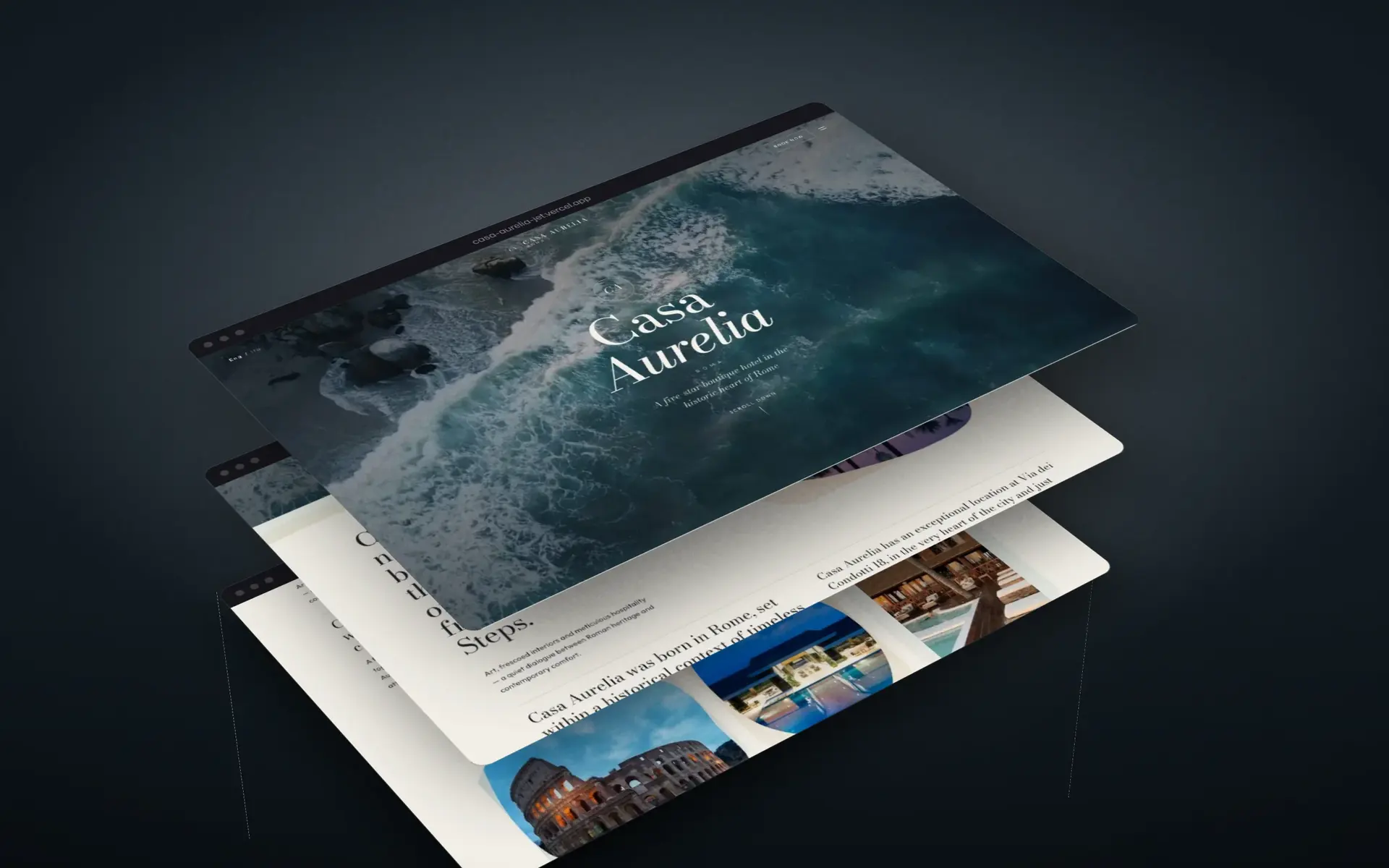
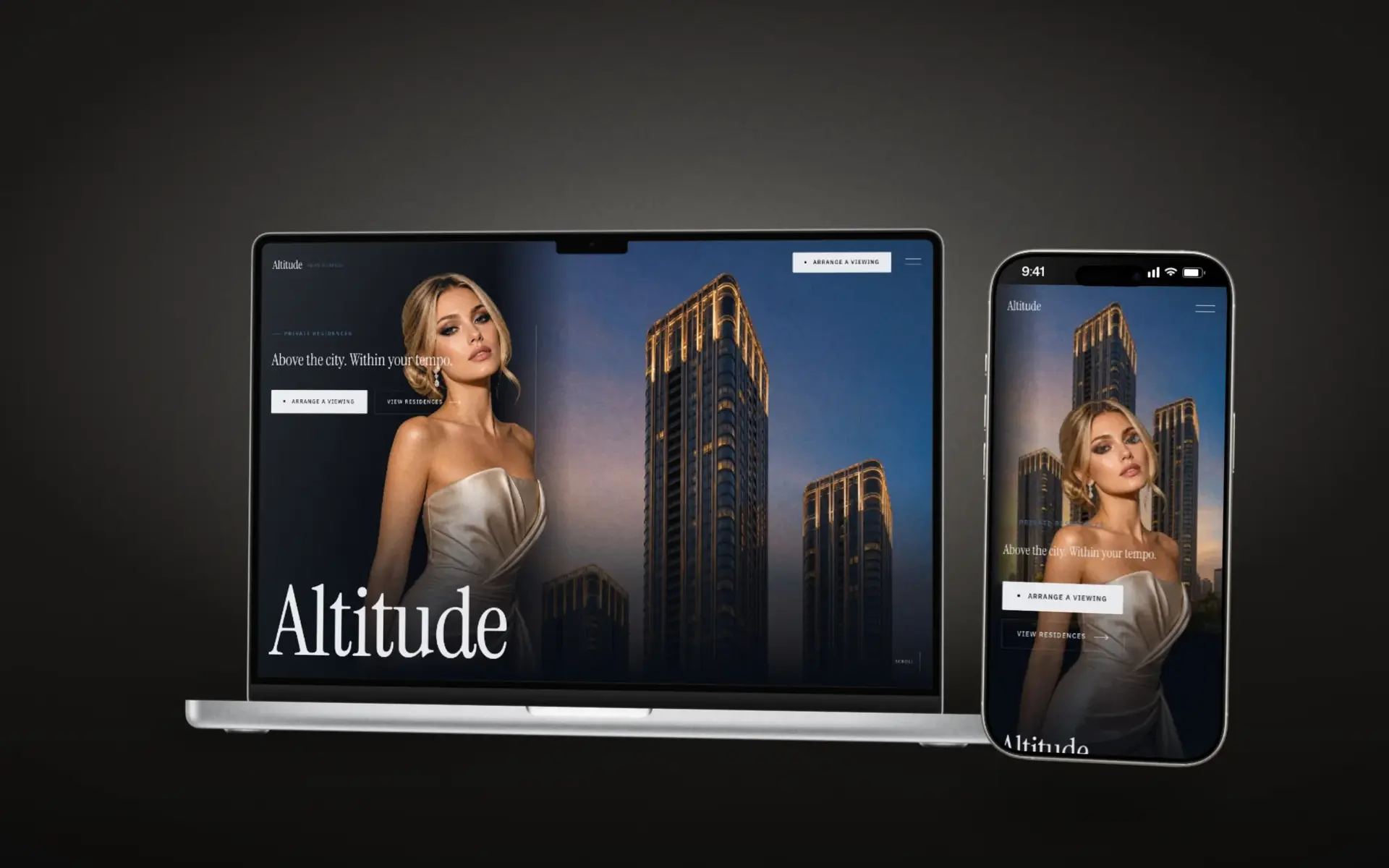
Most hotel templates put the same three adjectives over a slider. The guest still needs room types, what the stay is for, and a path that does not dump them into an opaque engine with a worse rate. METEK Digital builds hospitality sites as property documents: Casa Aurelia Roma and Altitude Residences are the public references for that editorial pace.
What the guest must learn first
Room types, location in one sentence, and how to request or book. Atmosphere can follow. If the first screen is a manifesto about 'sanctuary,' the rate shopper has already opened Booking.com.
Each room type deserves a URL. A suite and a courtyard room are different searches and different emails to the desk. Combining them into one 'accommodations' blob wastes both.
Direct path versus engine
If you take direct bookings, the site should collect dates, occupancy, and the stay purpose, then hand that to the desk or the engine you actually use. Skinning a third-party widget without property copy still looks like every other hotel.
If the desk closes stays on WhatsApp or email, say so and build that path properly. Pretending there is instant checkout when a human still confirms is how guests double-book.
Local search and languages
Neighborhood and city terms belong on the location page, not stuffed into every heading. A Rome boutique and a residence product do not share copy just because both have beds.
When the guest mix is more than one language, write each locale. Machine-translating the English room page is how you rank for nothing in the second market. The studio site itself ships in four languages under the same rule.
Operations after the stay request
Requests pile up. If the team needs a list of inquiries, room blocks, or content updates, that is an admin panel in the same engagement, not a later surprise.
Technical SEO covers titles, room URLs, canonicals, sitemap, and redirects from an old hotel domain. Rank promises are not part of the work.
How a hospitality project starts
Send the property type, room list, city, languages, and whether booking is direct, engine, or inquiry. Include the current URL if it already ranks for the hotel name.
We will tell you whether the job is a site, a site plus panel, or a messaging handoff if WhatsApp is already the desk.
Direct Booking Architecture
Reduce OTA commission leakage with a faster direct booking path
Room & experience pages that convert
Dedicated URLs for suites, villas, dining, and events with real-time availability handoff and transparent policies.
Multilingual guest & WhatsApp concierge
Native language pages and instant WhatsApp automation for airport transfers, group inquiries, and seasonal packages.
Hotel & LodgingBusiness schema
Structured data for amenities, location, FAQs, and seasonal offers so search and AI engines recommend booking direct.
Scope
What is included
Custom Next.js frontend with mobile-first typography and fast page transitions
Role-based admin & CRM dashboard tailored to your catalog, inquiries, or bookings
Searchable HTML specification tables, media galleries, and structured intake forms
WhatsApp, Instagram, or AI assistant integration with human handoff summaries
Technical SEO & GEO package: reciprocal hreflang, canonicals, XML sitemap, and JSON-LD graph
Full source code ownership, staging reviews, and no third-party plugin lock-in
How a project runs
From first conversation to launch
Discovery
We document the business goal, audience, available material, and technical constraints.
Scope
Pages, features, priorities, responsibilities, and review criteria are written down.
Design
We establish the interface, component rules, and a CSS design system when the project needs one.
Development
We implement the approved interface and connect the required panels, CRM functions, or messaging tools.
Quality review
We review mobile behavior, performance, core accessibility requirements, and technical SEO.
Launch
The approved release goes live with the agreed support period and content handoff.
Technology used in this work
- Next.js
- TypeScript
- GSAP
- Lenis
- HTML
- CSS
- JavaScript
- JSON-LD
- OpenStreetMap
Questions we are asked
Do you connect Booking.com or a channel manager?
When that integration is in the written scope. The public site still needs property copy and room URLs. A widget alone is not a hotel website.
Can we keep taking requests on WhatsApp?
Yes. The site can send a complete request to WhatsApp or to email. A chatbot is a separate service when the volume of repeat questions justifies it.
Will this replace our current hotel website without losing Google?
If we map old room and location URLs and set redirects before launch. Changing the domain or slugs without that map discards the pages search already knows.
Is this only for luxury hotels?
No. The same structure works for a small property and a residence product. Scope follows room types and the booking path, not a luxury label.
Send the property and the room list.
City, languages, and how a stay is confirmed today. Those facts decide whether this is a site, a panel, or both.