Show the collection the way you sell it.
Furniture sites stall when they are theme galleries with a phone number. We design collection pages, material stories, and inquiries around the actual sales path, from showroom visit to project quote.
- 10
- Products built in-house
- 12
- Web projects in the portfolio
- 04
- Site languages: EN, TR, ES, DE
- UTC+3
- Overlaps US mornings and the full EU workday
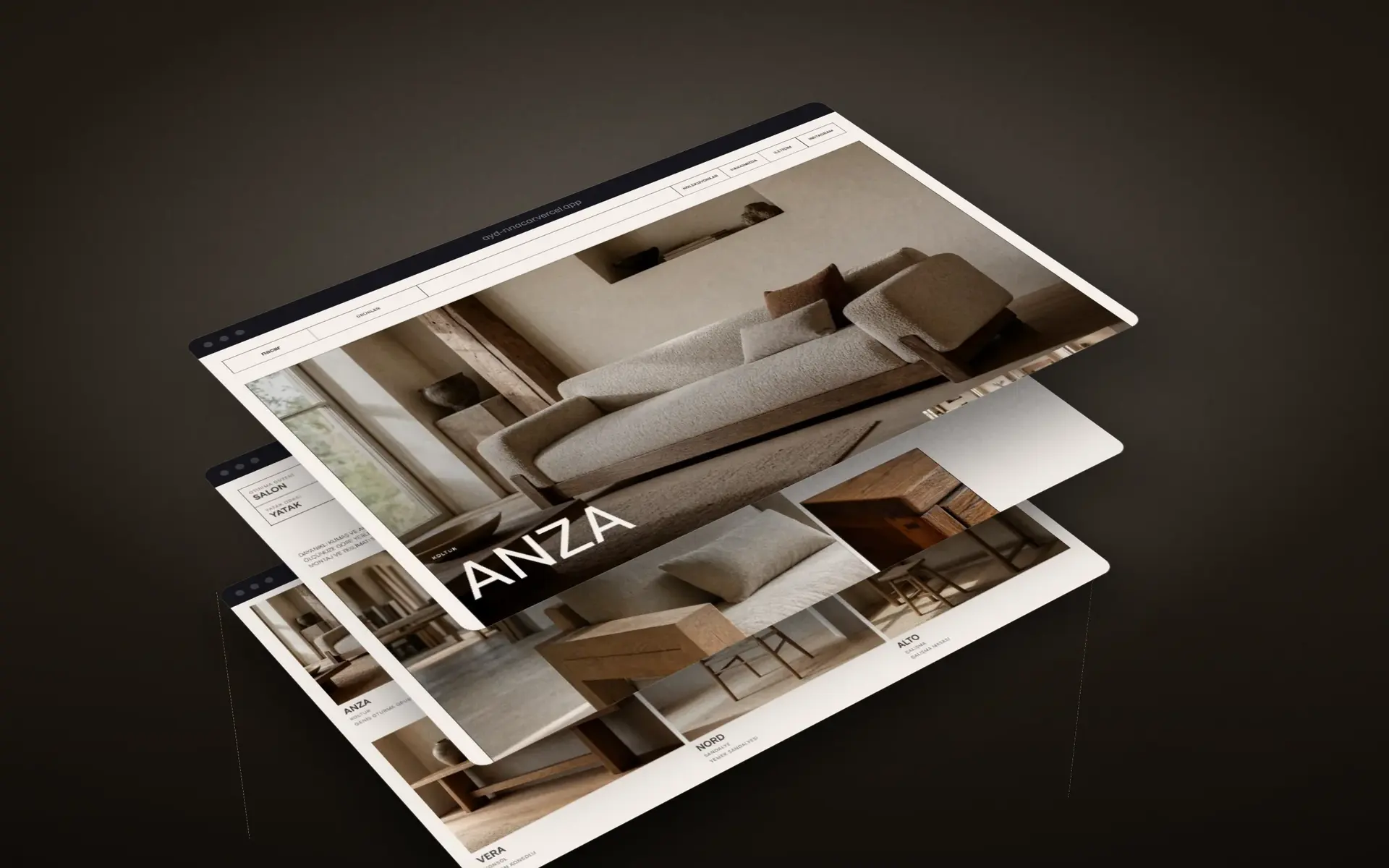
A furniture buyer compares silhouette, material, and whether you can make the piece. The site has to carry that comparison without turning into a marketplace grid. METEK Digital builds furniture websites as editorial catalogues with a clear next step. Public work such as Nacar Mobilya is the closest example of that pacing.
Catalogue, not a stock theme
Collections need their own URLs. A sofa family and a dining line are different searches and different sales conversations. Mixing them on one infinite scroll hides both.
Photography should show scale and finish, not only lifestyle crop. If the workshop can change fabric or wood, say so next to the piece, then send the visitor to a request that captures those options.
Who is on the other side of the form
Retail walk-in, interior designer, and hospitality specifier do not fill the same form. If designers are a real channel, give them a path that asks for project and timeline. If the showroom still closes the sale in person, the site should book the visit, not pretend checkout exists.
When staff will add collections after launch, plan an admin panel with the fields they already keep in a spreadsheet. Otherwise the site freezes on launch day photography.
Search terms are model names and materials
People type the product category and sometimes a material: walnut dining table, custom sofa, hotel casegoods. Those phrases belong on collection pages, in titles and H1s, not stuffed into the homepage.
A rebuild must map old collection URLs. Dropping them without redirects throws away the only pages that already had a subject.
Proof from the floor, not adjectives
Show a finished interior, a workshop detail, or a hospitality install if you have it. Caption what the visitor is looking at. 'Premium craftsmanship' next to a stock photo does not help a specifier write a PO.
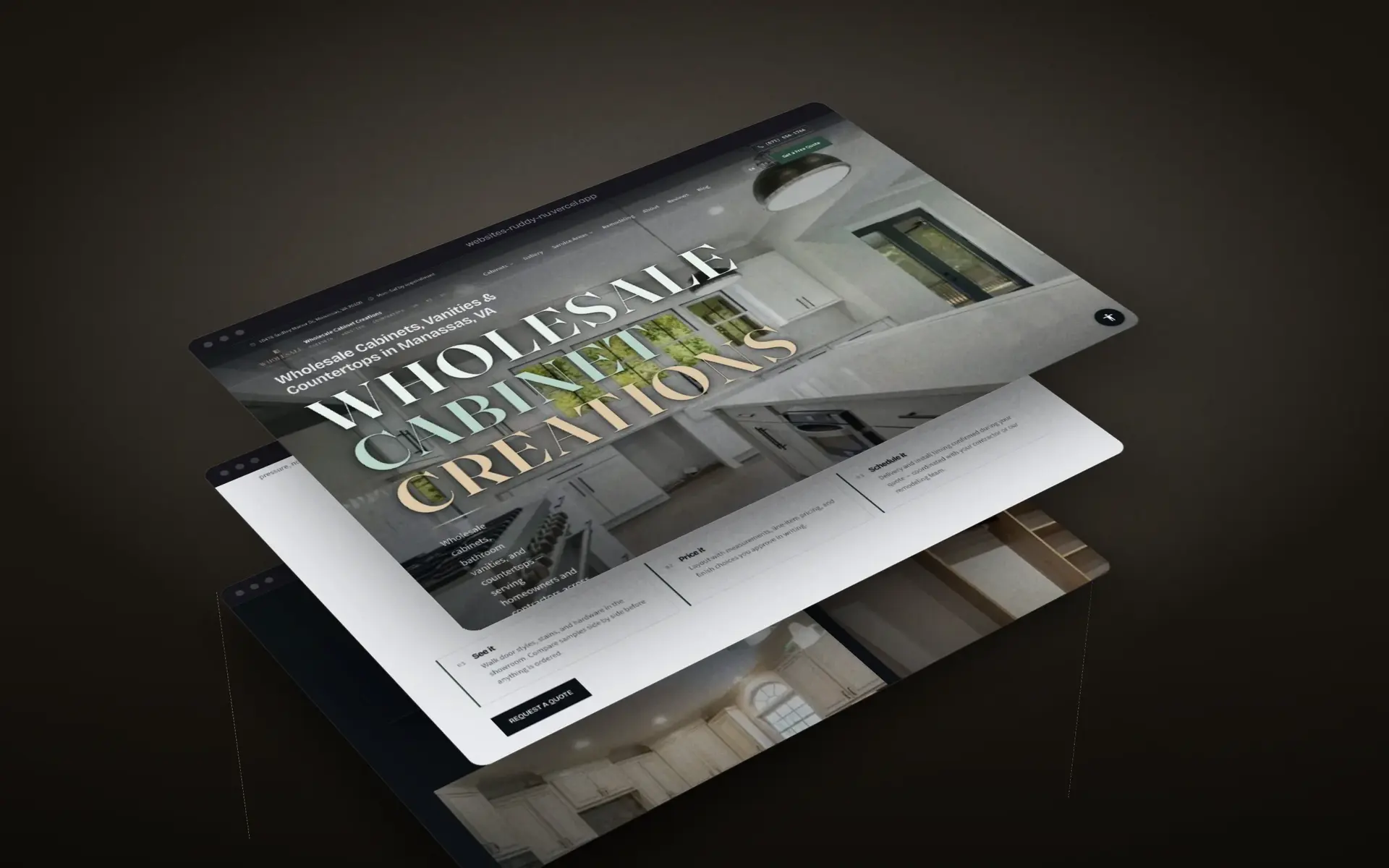
Look at the portfolio for furniture and manufacturing work before you brief us. The useful comparison is sales motion, not color palette.
Starting a furniture site
List collections, who buys, languages, and whether this is a first site or a replacement. Attach the current URL if search already sends people there.
We will say whether the job is a public catalogue, a catalogue plus panel, or a larger system if orders already live in software.
Trade & Showroom Standard
Built for interior designers, hospitality buyers, and retail shoppers
High-resolution AVIF/WebP galleries
Fast collection pages showing fabric, wood, and stone finishes clearly without slowing down mobile browsing.
Trade & dealer portal workflows
Public lookbooks paired with gated B2B accounts for tear sheets, CAD/3D files, and wholesale volume pricing.
Showroom appointment & quote routing
Captures custom dimensions, finish selections, and delivery city before routing to your showroom or export team.

Scope
What is included
Custom Next.js frontend with mobile-first typography and fast page transitions
Role-based admin & CRM dashboard tailored to your catalog, inquiries, or bookings
Searchable HTML specification tables, media galleries, and structured intake forms
WhatsApp, Instagram, or AI assistant integration with human handoff summaries
Technical SEO & GEO package: reciprocal hreflang, canonicals, XML sitemap, and JSON-LD graph
Full source code ownership, staging reviews, and no third-party plugin lock-in
How a project runs
From first conversation to launch
Discovery
We document the business goal, audience, available material, and technical constraints.
Scope
Pages, features, priorities, responsibilities, and review criteria are written down.
Design
We establish the interface, component rules, and a CSS design system when the project needs one.
Development
We implement the approved interface and connect the required panels, CRM functions, or messaging tools.
Quality review
We review mobile behavior, performance, core accessibility requirements, and technical SEO.
Launch
The approved release goes live with the agreed support period and content handoff.
Technology used in this work
- Next.js
- React
- TypeScript
- Vite
- GSAP
- Lenis
Questions we are asked
Do you photograph the collection?
We can plan the shot list and how images sit on the page. Photography itself is scoped separately if you need it produced. Existing assets are enough to start the interface.
Can customers configure fabric and finish online?
When the rules are written and someone will maintain them. A simple option list on the inquiry is often enough. A full configurator is a software project, not a theme feature.
Is this the same as a manufacturing website?
Related, different visitor. Manufacturing pages lean on specs and dealer quotes. Furniture pages lean on collection and material. We still use the same technical SEO and panel habits.
WordPress theme or custom?
Custom. Marketplace furniture themes are not resold as original work. If you need to edit collections, we build those fields rather than forcing a shop plugin onto a purchased layout.
Name the collections and the buyer.
Showroom, designer, or project specifier: say which one the site must serve first. We will outline the page map from that.