A factory site that can take a serious quote.
Trade buyers need lines, finishes, constraints, and a form that captures the job. We design manufacturing websites around that motion, then wire the public pages to the tools the office already uses.
- 10
- Products built in-house
- 12
- Web projects in the portfolio
- 04
- Site languages: EN, TR, ES, DE
- UTC+3
- Overlaps US mornings and the full EU workday
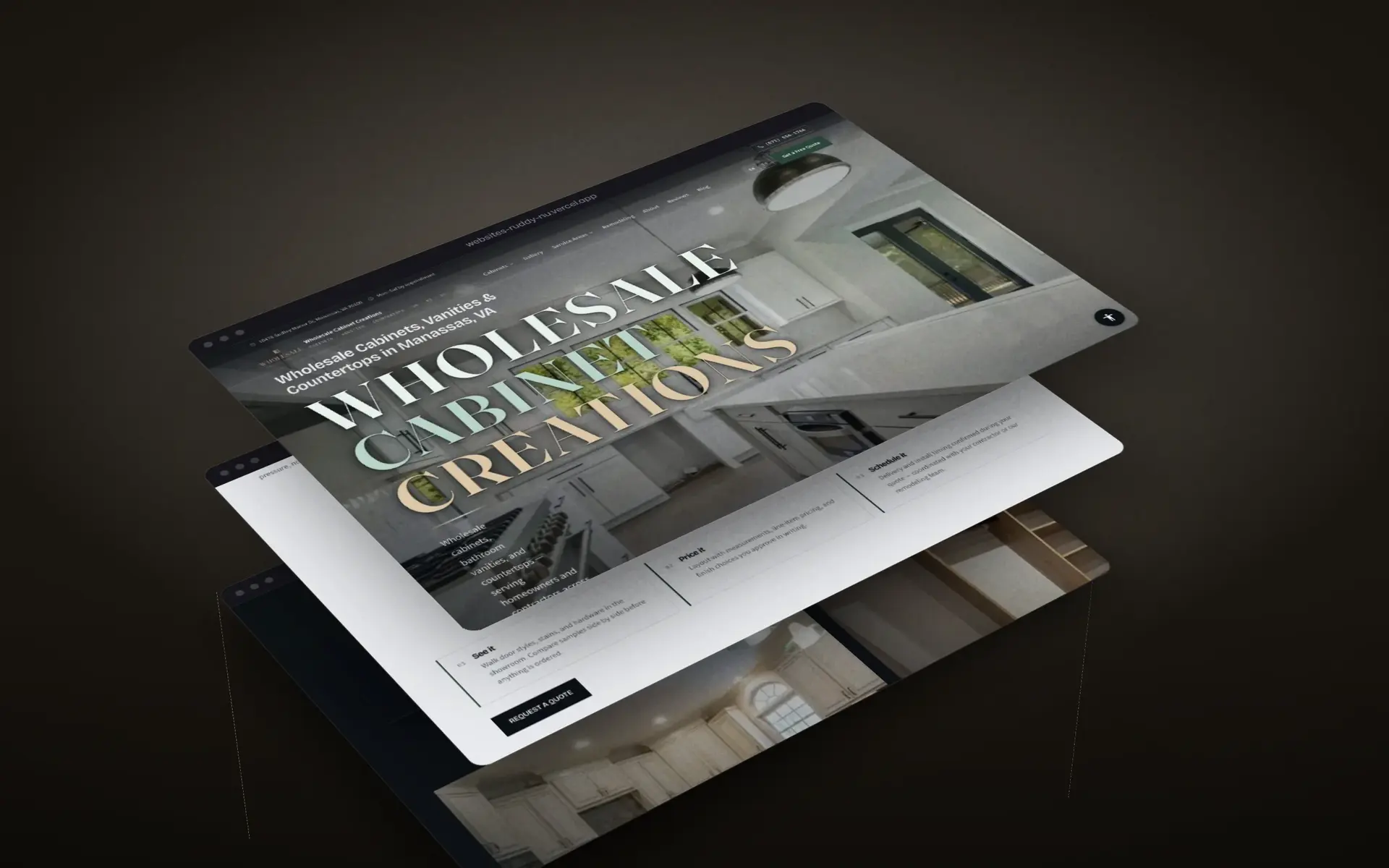
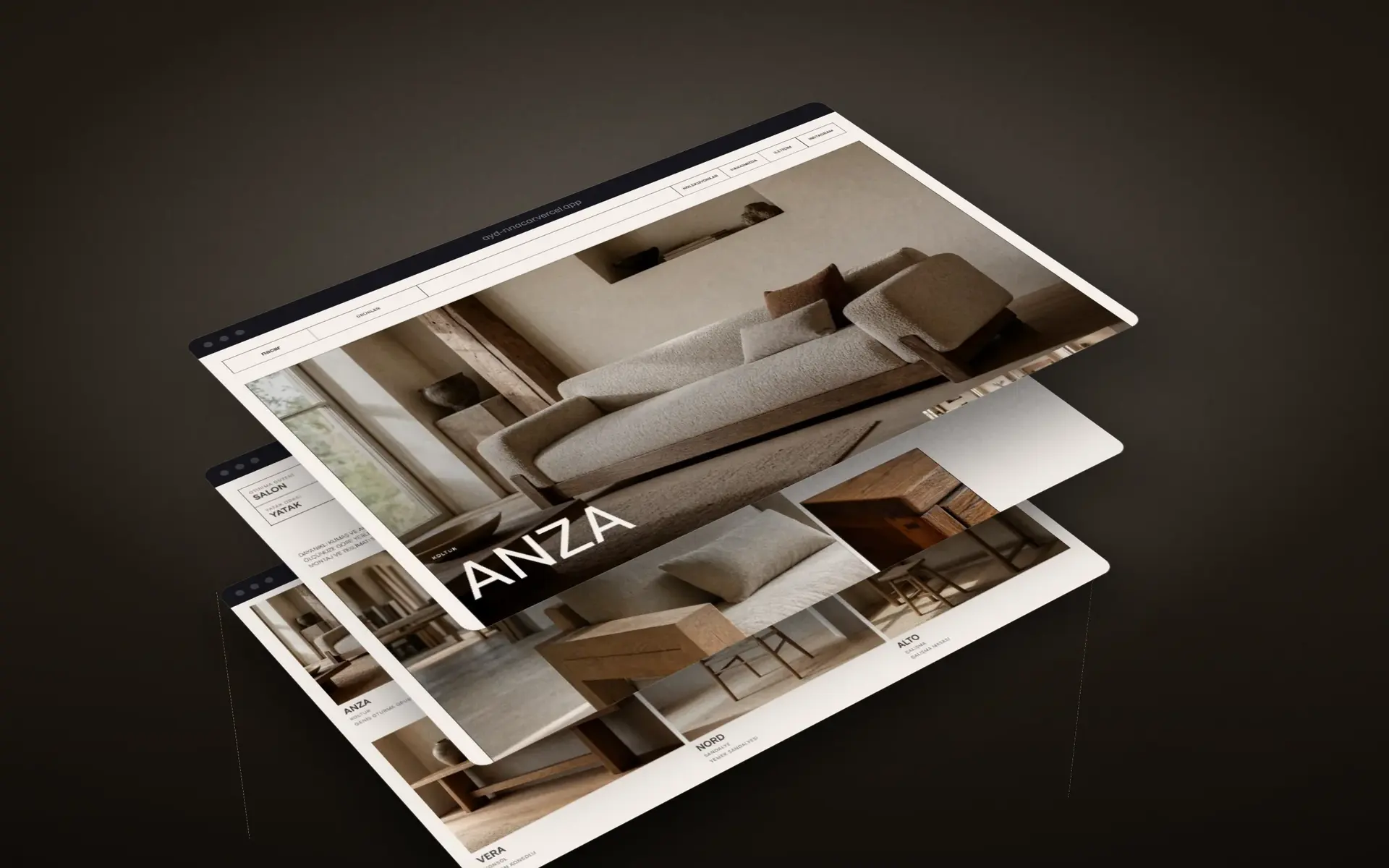
A manufacturing website fails when it looks like a brochure for a company that quotes from PDFs and phone calls. The useful site names the product family, shows enough specification to start a conversation, and sends a complete request to sales. METEK Digital plans that surface from the sales path, using work such as the Wholesale Cabinet Creations site as the nearest public example.
What a buyer is trying to do
A dealer or contractor rarely arrives to 'learn about the brand.' They arrive to confirm a line exists, see a finish or dimension, and ask whether you can hit a date. If those three facts take four clicks and a generic contact box, they email a competitor who already listed them.
Write the first screen for that visitor. Company history can sit lower. Certifications belong next to the product they apply to, not in a dump on About.
Pages that match how you sell
Typical map: home with the offer and proof, product families, a spec or gallery page per line, a quote or project request, and a dealer or trade login only if that channel is real. Do not invent a shop if orders still go through a human.
If the office updates lead times or finishes after launch, the same delivery should include an admin panel with those fields. A pretty catalogue that nobody can edit becomes stale in a season.
Search is a page problem
Google indexes URLs. 'Kitchen cabinets wholesale' and 'custom closet systems' cannot share one thin homepage and expect both to rank. Each family needs a subject, a title, an H1, and links from related pages.
Technical SEO in this work means those titles, crawlable HTML, canonicals, a sitemap, and redirects if you are replacing an old domain. Rankings are not a package anyone can honestly guarantee.
Quote fields sales will open
Name, email, and 'message' produce junk. Ask for project type, quantity or rooms, ship-to region, timing, and files if drawings exist. Pass the record to whoever already owns the inbox or CRM.
The article on B2B quote requests lists the fields we actually put on manufacturing forms. Read that before you copy a consumer 'get in touch' block.
How this project starts
Send the product families, who buys (dealer, builder, homeowner), which language the page must speak, and whether this is a first site or a rebuild. Note any panel or migration.
We will point you at the closest portfolio match and say which service the job resembles: website, panel, or both.
Industrial B2B Standard
What procurement engineers verify before sending an RFQ
Crawlable HTML specification tables
Dimensions, tolerances, materials, and certifications in clean HTML rather than buried inside 40-page PDF catalogs.
SKU-level RFQ and drawing upload
Quote forms that capture part numbers, volume tiers, target incoterms, and CAD/PDF attachments directly into your admin panel.
Multilingual export architecture
Dedicated EN, DE, ES, and TR product routes with reciprocal hreflang so international buyers find your plant in their own language.
Scope
What is included
Custom Next.js frontend with mobile-first typography and fast page transitions
Role-based admin & CRM dashboard tailored to your catalog, inquiries, or bookings
Searchable HTML specification tables, media galleries, and structured intake forms
WhatsApp, Instagram, or AI assistant integration with human handoff summaries
Technical SEO & GEO package: reciprocal hreflang, canonicals, XML sitemap, and JSON-LD graph
Full source code ownership, staging reviews, and no third-party plugin lock-in
How a project runs
From first conversation to launch
Discovery
We document the business goal, audience, available material, and technical constraints.
Scope
Pages, features, priorities, responsibilities, and review criteria are written down.
Design
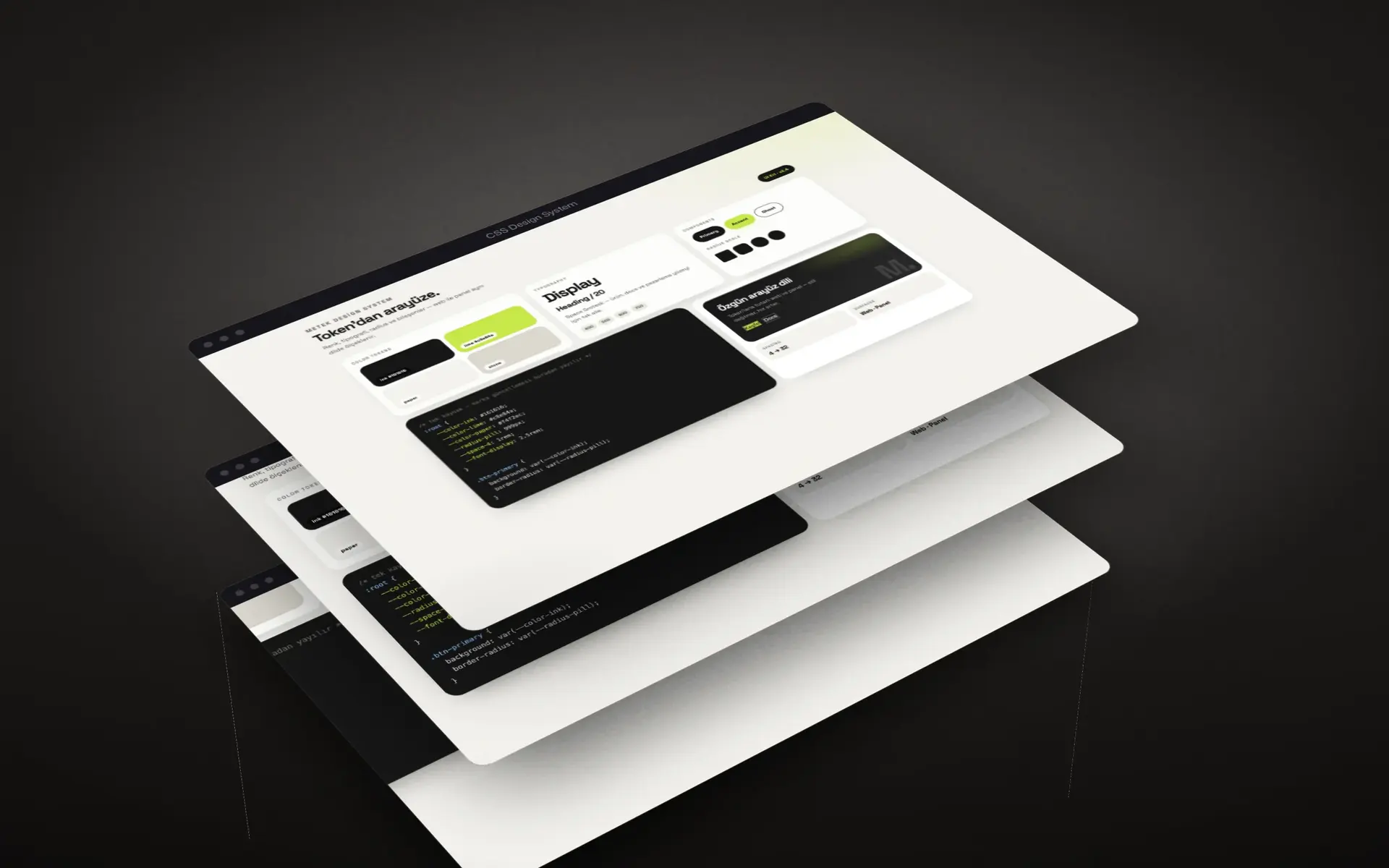
We establish the interface, component rules, and a CSS design system when the project needs one.
Development
We implement the approved interface and connect the required panels, CRM functions, or messaging tools.
Quality review
We review mobile behavior, performance, core accessibility requirements, and technical SEO.
Launch
The approved release goes live with the agreed support period and content handoff.
Technology used in this work
- React
- Vite
- TypeScript
- Next.js
- CSS Custom Properties
- Design Tokens
Questions we are asked
Do you build ecommerce for manufacturers?
When the business actually sells online with prices and stock. Many manufacturers quote per project. In that case we ship a catalogue and a request form, not a fake cart.
Can the team update products without a developer?
Yes, when an admin panel is in scope. We build the fields they will use: lines, specs, photos, lead times. A generic CMS dumped on a theme is a different product.
Will the site rank for every product name?
Each important product family needs its own page and internal links. We include that structure in the website delivery. Nobody can honestly promise first place for a list of keywords.
What should we send to start?
Families, buyer type, languages, current URL if any, and whether quotes go to email or a CRM. That is enough to see fit.
Describe the line and the buyer.
Name the product families, who requests the quote, and whether this replaces an existing site. We reply with the questions that set scope.