One codebase, every market indexed cleanly.
For US companies that sell in several languages: language versions that search engines separate correctly, and copy that reads as native in each market.
- 10
- Products built in-house
- 12
- Web projects in the portfolio
- 04
- Site languages: EN, TR, ES, DE
- UTC+3
- Overlaps US mornings and the full EU workday
A multilingual site fails quietly. The Spanish page ranks in Germany, the English page is treated as a copy of the German one, or a visitor in Texas is redirected to a language they did not choose. Each of these is a technical choice made once, early, and expensive to reverse. We make them before the first page is written and keep the rules in one place.
The traps that break multilingual SEO
Language versions without reciprocal hreflang tags, where each page must point to the others and back. Canonicals that all point to one language, which tells search engines the others are copies. Automatic redirects by browser language or IP address, which hide versions from crawlers and annoy visitors. Machine-translated copy that reads wrong in the first sentence. Pages that exist in one language but are linked from all of them.
Each has a known fix, and the fix is cheap when it is part of the structure and expensive when it is a patch.
URL structure
We usually recommend language folders on one domain, such as /de/ or /es/. They concentrate authority on a single domain and are simple to maintain. Separate country domains suit companies with distinct local operations, and subdomains rarely have an advantage. We choose with you, write the reasoning down and apply it consistently.
Language is not the same as country
Spanish for Madrid, Mexico City and Miami differs in vocabulary, prices, legal text and the questions customers ask. German for Zürich differs from German for Hamburg, down to the letter ß. hreflang can name a region as well as a language, and we decide which pages need regional versions and which can be shared.
Which pages to translate
Not every page belongs in every language. A page that no one in a market will search for or read adds weight and risks being thin. We map each page to the markets that need it and leave the others out, which keeps the structure honest and the quality high.
Managing languages from one admin panel
Editors see which pages exist in which languages, which are out of date relative to the source and which are missing. Publishing a version triggers its hreflang tags and sitemap entries automatically, so nobody has to remember them.
Redesigns without losing traffic
A redesign starts with an inventory of every indexed address in every language, a one-to-one redirect map, preserved titles and headings where they perform and a post-launch check against the old crawl. No redesign can promise unchanged rankings, and this is the work that protects them.
Why teams work with us
Languages as structure, not as an add-on.
We run four languages ourselves
This site ships in English, Turkish, Spanish and German, with the English default served without a prefix. The rules below are the ones we apply to it.
Native copy per market
We write English, Turkish, German and Spanish ourselves and bring in a native writer for other languages, shown as a separate line in the estimate.
One admin for all versions
Editors manage every language from one panel, with a clear view of what is missing.
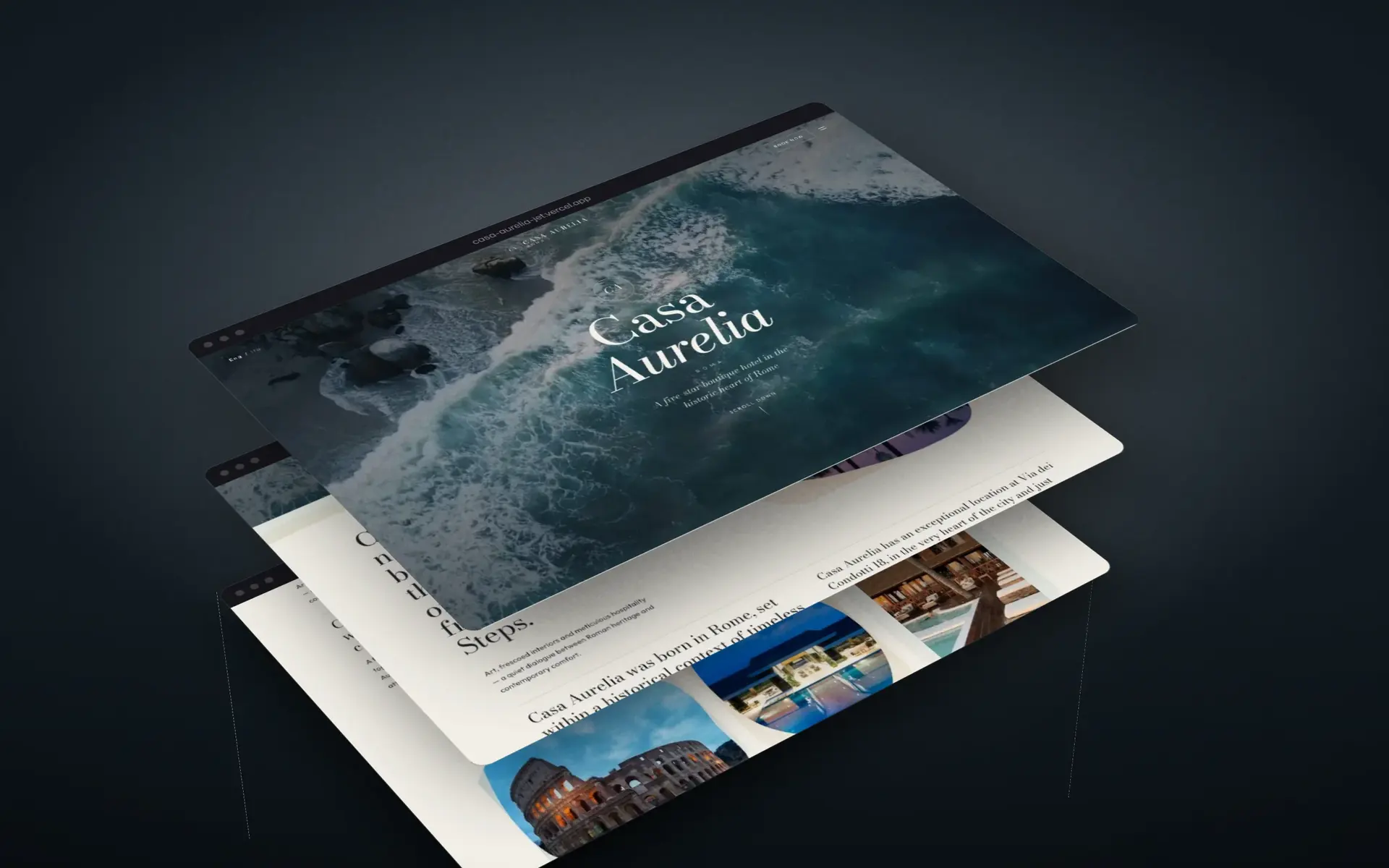

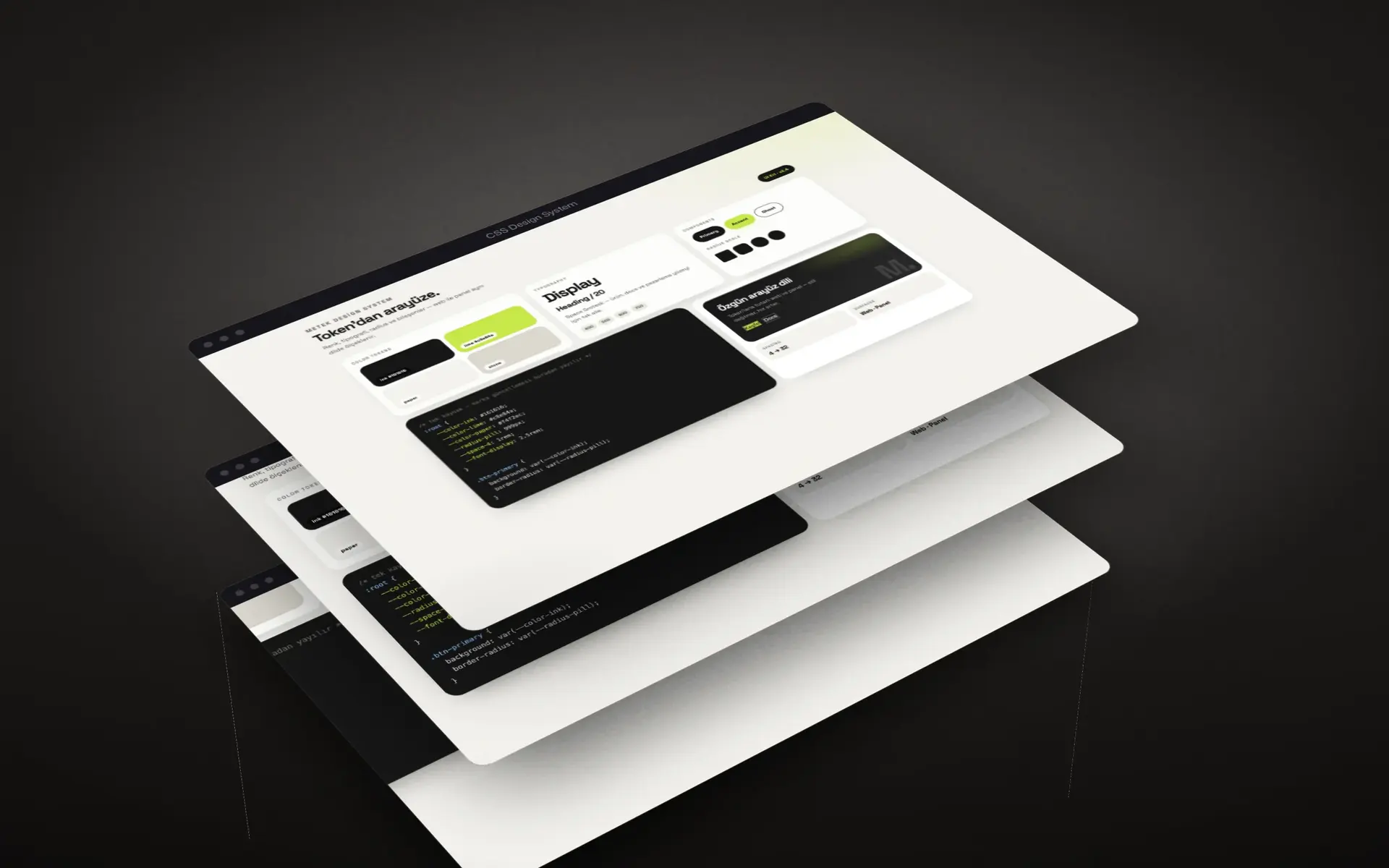
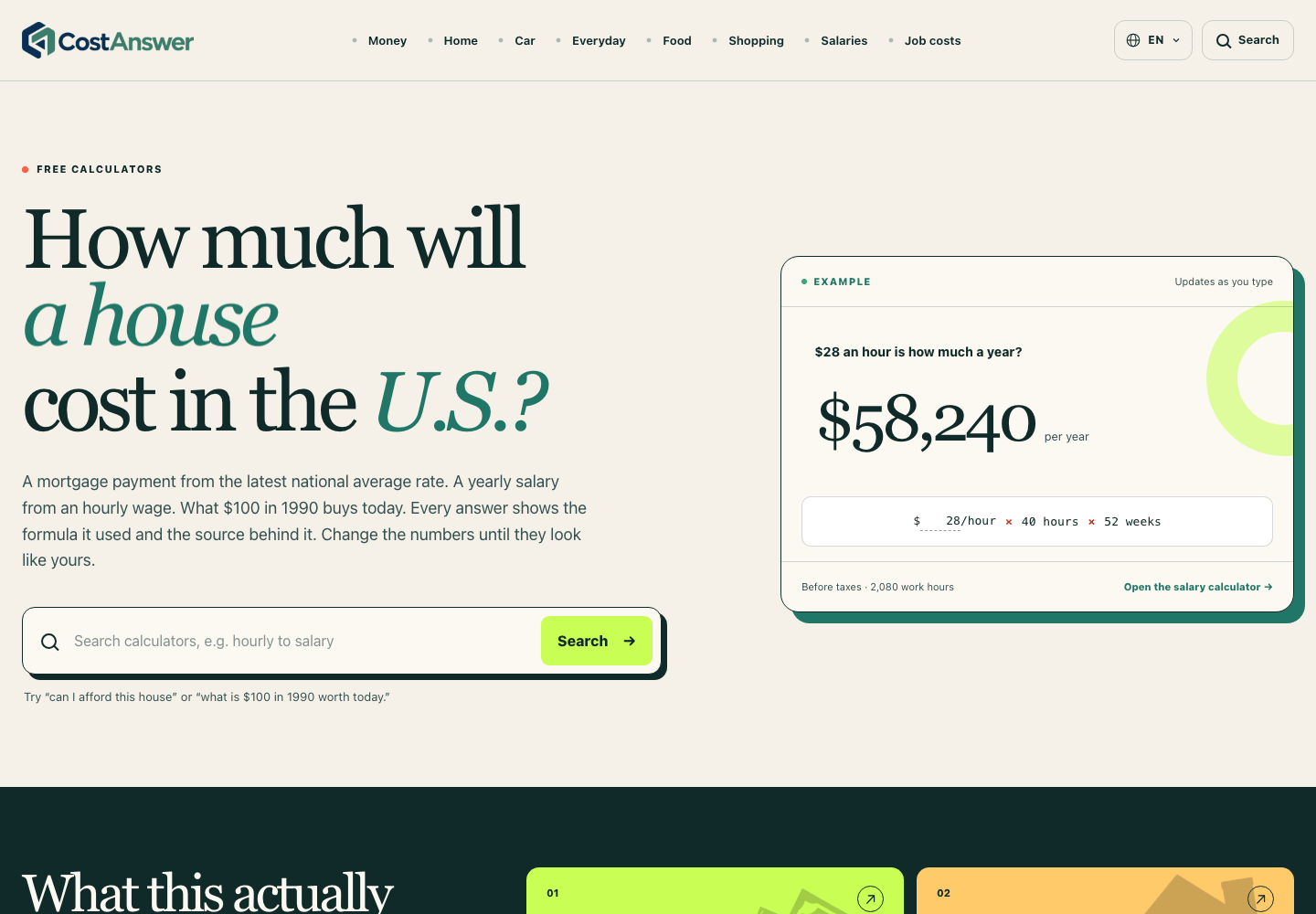
Scope
What a multilingual project includes
Language and market plan
Which languages, which regions, which pages and why.
URL and hreflang architecture
Folders, canonicals, reciprocal tags and an x-default rule.
Native copy
Written per market, reviewed in context.
One admin panel
All versions, with status and missing-page views.
Technical SEO build
Metadata, sitemap, structured data and speed.
Redirect map and launch check
For redesigns that must keep their traffic.
Choosing a structure
Language folders, subdomains or country domains
| Structure | Good for | Watch for | Notes |
|---|---|---|---|
| Folders on one domain (/de/, /es/) | Most businesses selling in several languages | Shared server and brand rules | Our default. Concentrates authority and is easy to maintain. |
| Subdomains (de.example.com) | Separate teams and separate hosting | Authority split across hostnames | Rarely better than folders. |
| Country domains (example.de) | Distinct local operations and strong local branding | Several domains to run and build authority for | Choose it for real local businesses. |
How a project runs
From first conversation to launch
Discovery
We document the business goal, audience, available material, and technical constraints.
Scope
Pages, features, priorities, responsibilities, and review criteria are written down.
Design
We establish the interface, component rules, and a CSS design system when the project needs one.
Development
We implement the approved interface and connect the required panels, CRM functions, or messaging tools.
Quality review
We review mobile behavior, performance, core accessibility requirements, and technical SEO.
Launch
The approved release goes live with the agreed support period and content handoff.
Technology used in this work
- Next.js
- TypeScript
- GSAP
- Lenis
- CSS Custom Properties
- Design Tokens
- Structured US public datasets
- Versioned data snapshots
- Tested calculation engines
Questions we are asked
Which languages can you write yourselves?
English, Turkish, German and Spanish. For other languages we bring in a native writer and show the cost as a separate line.
Should every page be translated into every language?
No. We map pages to the markets that need them. A page nobody in a market will read is better left out.
How do you avoid losing rankings in a redesign?
With an address inventory, a one-to-one redirect map, preserved titles where they perform and a post-launch check. No redesign can promise unchanged rankings.
Do you redirect visitors by browser language?
No. Automatic redirects hide versions from crawlers and frustrate people who chose a language. We offer a visible language switcher and leave the choice to the visitor.
List the markets and languages you sell in.
Send your current site and the countries you want to reach. We will say how the languages should be structured and which pages each market needs.