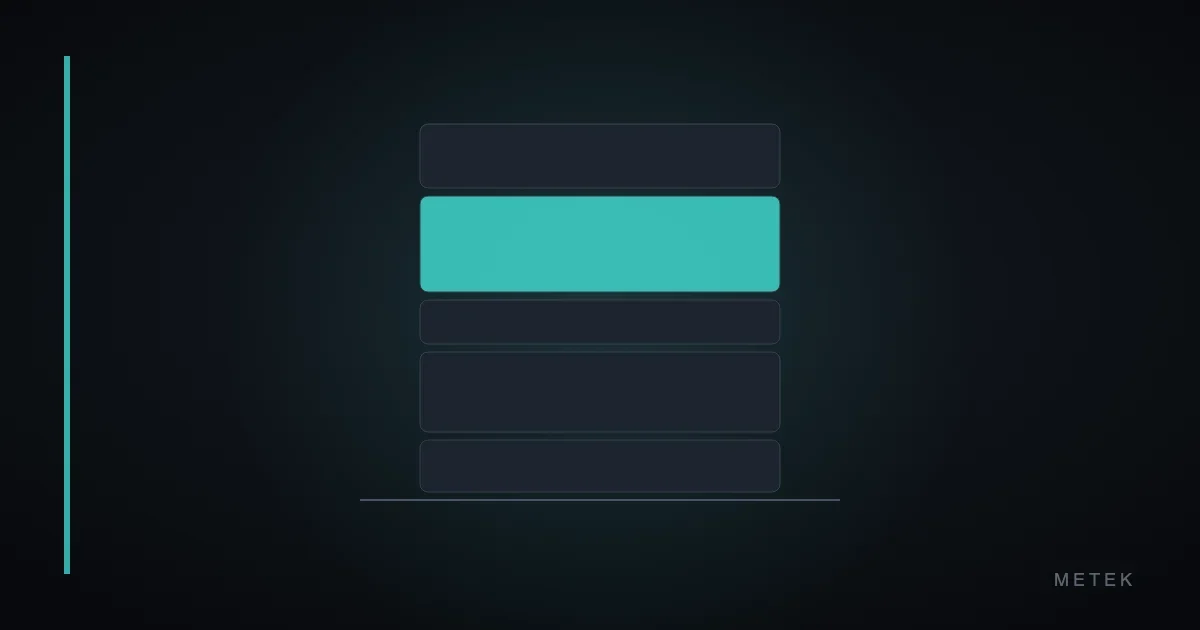
The five drivers of cost
User roles: every additional role, such as customer, staff, manager or partner, adds screens, permissions and test cases. Records: the number of things the software tracks and how they relate to each other. Actions: what people can do to those records, from simple edits to multi-step approvals.
Integrations: payments, calendars, CRMs, accounting tools and existing databases each add work, and poorly documented APIs add more. Finally, data migration: moving years of spreadsheets into a clean structure is often underestimated.
Costs people forget
Hosting, monitoring, backups, security updates, app store fees and third-party API usage continue after launch. So does support: small fixes, new reports, a field someone forgot during scoping.
Ask every firm to separate the build estimate from the running costs. If a quote does not mention them, they have not disappeared; they have been left for you to discover.
Fixed price or time and materials
A fixed price works when the scope is written in detail and unlikely to change. Time and materials works when you expect to learn as you build. Many projects use both: a fixed-price discovery and first release, then a monthly arrangement for what follows.
Whatever the model, insist on milestones with something you can open and test at each one. A staging link you can click is worth more than a status report.
How to get comparable quotes
Write down the users, the records, the daily actions and the systems the software must connect to. Add screenshots of the spreadsheets or tools you use today. Send the same document to every firm.
Good firms will ask questions back. That is a sign they are pricing your project, not a template. We describe how we run this stage on our custom software development page.
When not to build
If an existing SaaS product covers most of the job, buy it and spend your budget on the gap. Custom software earns its cost when the process is specific to your business, when several tools need to work as one, or when the off-the-shelf option costs more per seat than a build over three years. For panel-style tools, our comparison of custom admin panels and generic CRMs goes deeper.