A development team in Türkiye, run for US companies.
What the time difference means in practice, who owns the code, how contracts and payments work and which questions to ask any remote team before you sign.
- 10
- Products built in-house
- 12
- Web projects in the portfolio
- 04
- Site languages: EN, TR, ES, DE
- UTC+3
- Overlaps US mornings and the full EU workday
Most US companies hire remote engineers from Eastern Europe, Latin America or India. Türkiye is a less common choice, and the usual questions follow: how many hours overlap, who owns the work, how do contracts and payments run and what happens during Bayram. This page answers them in plain terms, with the details that matter to a buyer rather than a brochure.
The time difference, in hours
Türkiye does not change its clocks. Most US states do, so the gap moves by an hour twice a year. From US Eastern time we are seven hours ahead in summer and eight in winter, which puts your 9 a.m. at our late afternoon. Central time is eight or nine hours, Mountain nine or ten, Pacific ten or eleven.
Eastern and Central teams get a call window in their morning. Pacific teams work mostly asynchronously, with one live call a week. Every market page on this site shows the overlap for that city, in summer and in winter.
Who owns the code, and how handoff works
The contract should assign the work to you, and the repositories and cloud accounts should sit under your organization from the beginning, so ownership is a fact before it is a clause. Credentials live in your systems. At the end, handoff is documentation and a walkthrough, not a negotiation about access.
Contracts, payments and security questions
NDAs, master agreements and statements of work are agreed per project, on paper your counsel is comfortable with. Payment terms are set in the contract, by milestone or by month. If your procurement team requires a certification such as SOC 2 from vendors, say so early. We will tell you what we can provide, and for many projects the answer is to run the work inside your own accounts and under your controls.
Holidays and availability
Türkiye has two multi-day religious holidays each year, Ramazan Bayramı and Kurban Bayramı, whose dates move through the calendar, and national days such as October 29. We share the holiday calendar for the year at kickoff and plan milestones around it, so nobody is surprised by a quiet week.
How we compare with other regions
No region is better in general, and the right choice depends on the work. Latin America offers the closest clock for the US. Eastern Europe has a long tradition of outsourced engineering and sits one to two hours from Western Europe. India has deep talent pools with the widest time gap. Türkiye sits between: a morning overlap for the US East Coast, most of the working day for Europe and the UK, and the same hours as Saudi Arabia.
What to check with any remote team
Ask to see a written scope and a progress update from a past project, with client details removed. Ask who will be on the work and who is accountable for it. Ask whether the repositories live under your account. Ask for a small paid first milestone, and review the code yourself or through someone you trust. Our article on outsourcing to Türkiye goes through contracts, ownership and evaluation in more detail.
What to expect
A remote team with an honest operating model.
Hours that overlap
Türkiye keeps UTC+3 all year. That is seven or eight hours ahead of US Eastern time and one to three hours ahead of Europe and the UK.
You own the work
Repositories, cloud accounts and credentials are created under your organization from the first commit.
Written everything
Scope, milestones and updates are written, and staging links are open any time, so decisions do not wait for a meeting.
Products we operate
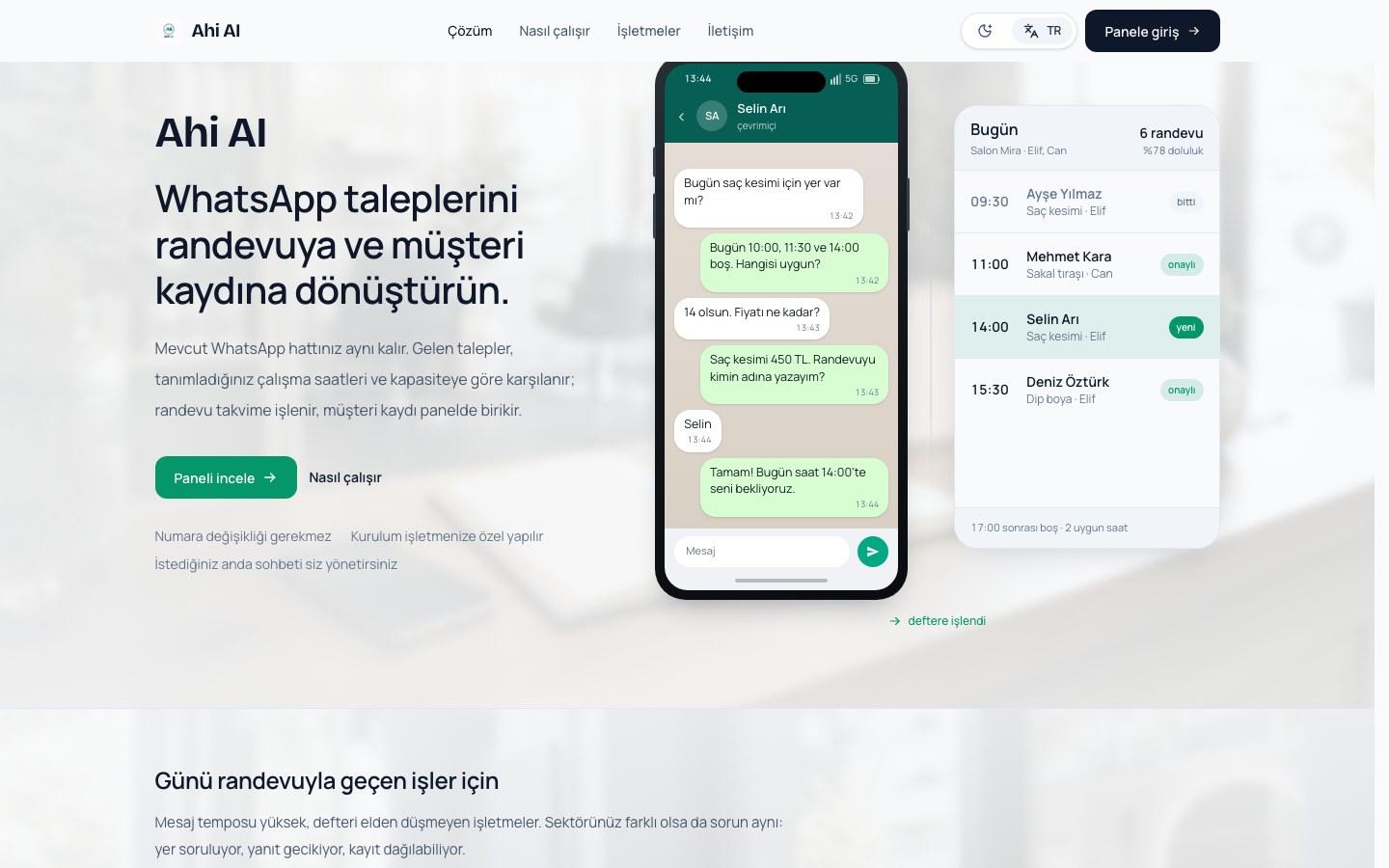
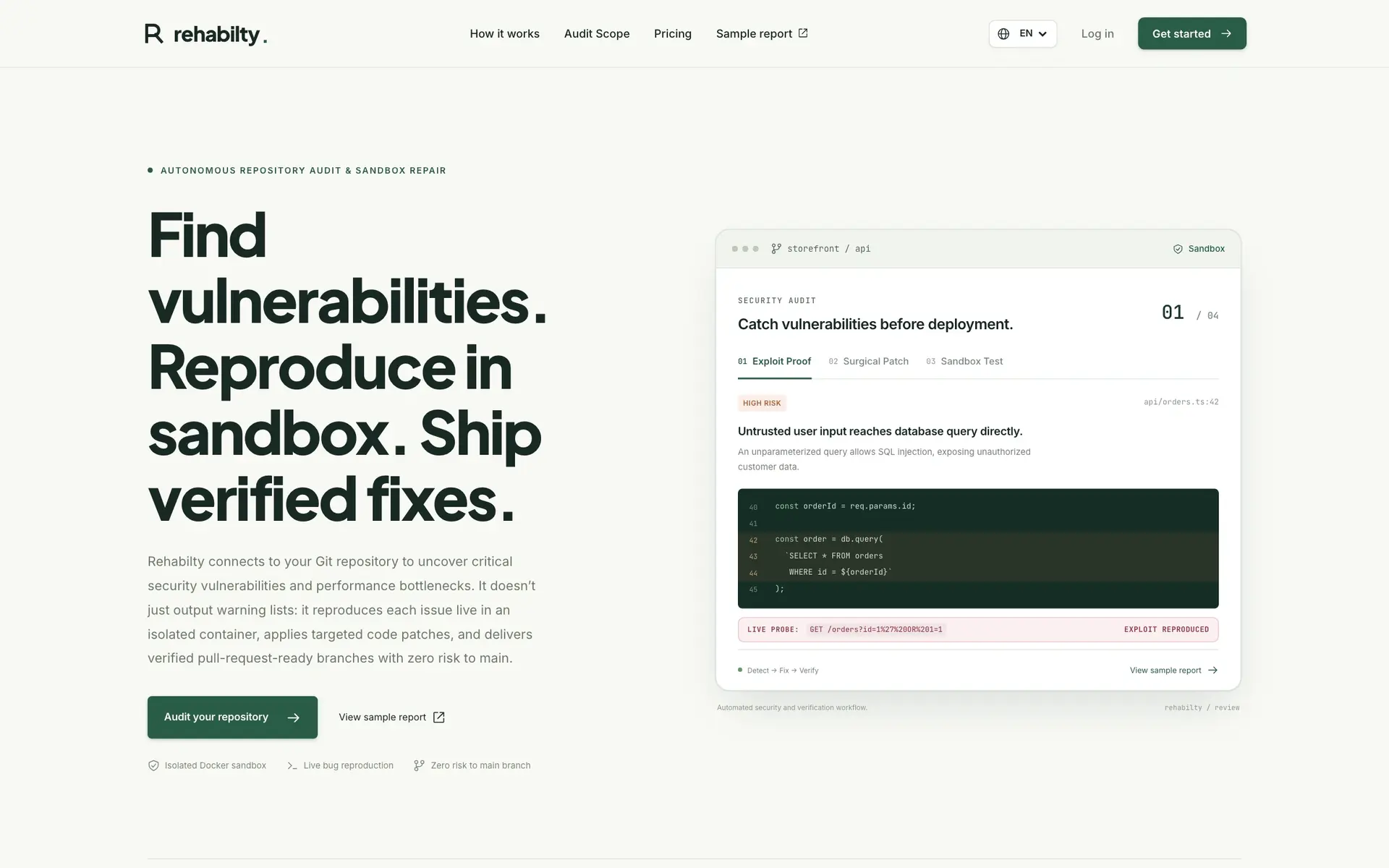
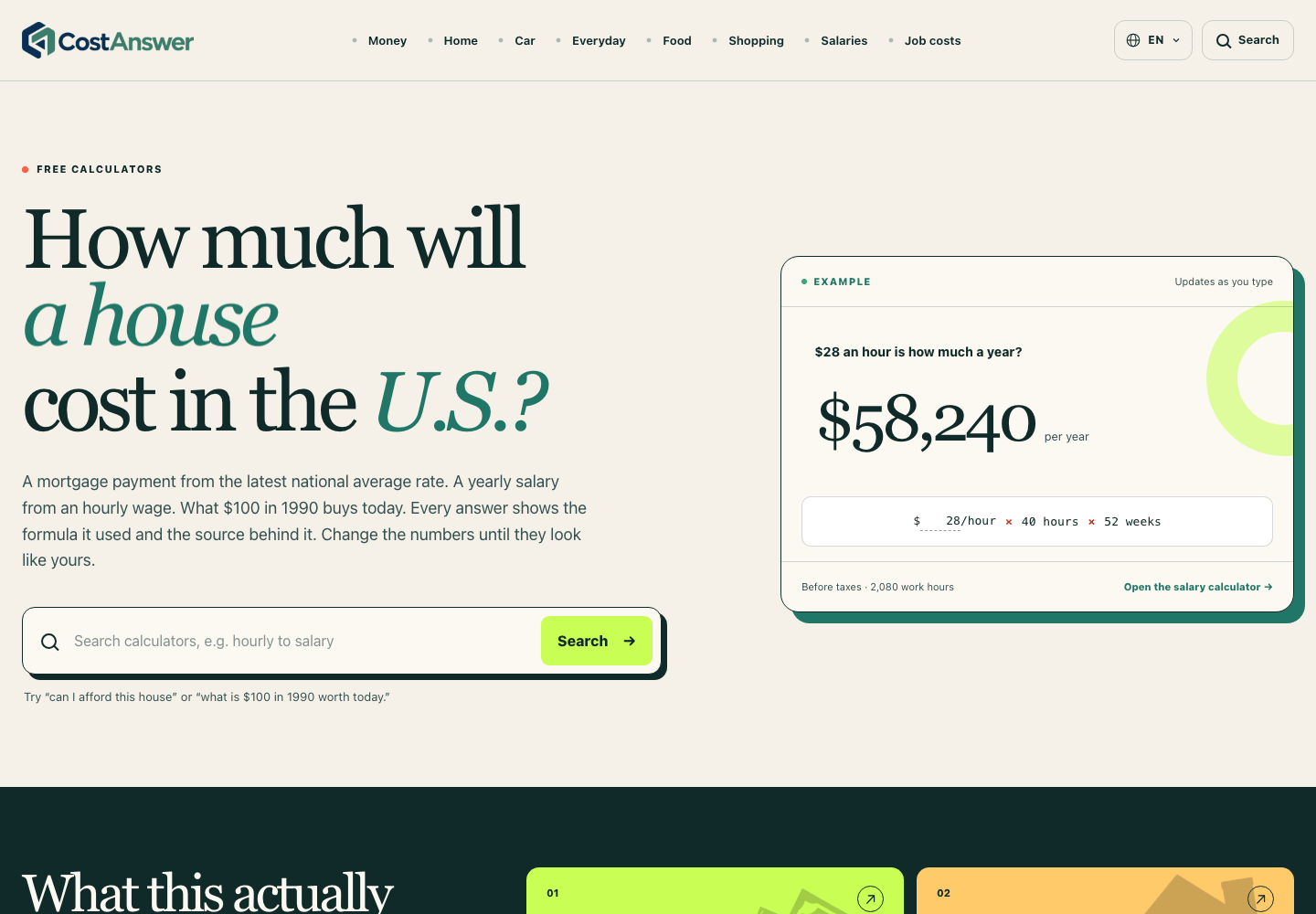
We run ten products of our own, and we encourage clients to open them before a first call.

Scope
How an engagement is set up
Intro call and written scope
Goals, constraints and a plan you can hold us to.
Paper first
NDA, agreement and statement of work reviewed by your counsel.
Accounts under your name
Repositories, cloud, hosting and credentials in your organization.
Weekly rhythm
A short written update and one live call in your morning.
Staging site
A link you can open at any time to see the current state.
Handoff pack
Documentation, a walkthrough and your accounts, ready to move.
Time zones compared
Offset from US Eastern time, by common outsourcing region
| Region | Offset from US Eastern | Overlap with a US morning | What shapes the choice |
|---|---|---|---|
| Latin America (for example Colombia, Mexico City) | 0 to 2 behind | Nearly the whole working day | Closest clock, large nearshore tradition |
| Western Europe (for example Spain, Germany) | 6 ahead | The US morning and the European afternoon | Common time with the EU, higher local labor costs |
| Eastern Europe (for example Poland, Romania) | 6 to 7 ahead | A few hours in the US morning | Long tradition of outsourced engineering |
| Türkiye | 7 ahead in summer, 8 in winter | A call window in the US morning | Between US and Asia, same hours as Saudi Arabia |
| India | 9.5 to 10.5 ahead | Little to none live | Large talent pools, asynchronous by nature |
How a project runs
From first conversation to launch
Discovery
We document the business goal, audience, available material, and technical constraints.
Scope
Pages, features, priorities, responsibilities, and review criteria are written down.
Design
We establish the interface, component rules, and a CSS design system when the project needs one.
Development
We implement the approved interface and connect the required panels, CRM functions, or messaging tools.
Quality review
We review mobile behavior, performance, core accessibility requirements, and technical SEO.
Launch
The approved release goes live with the agreed support period and content handoff.
Technology used in this work
- TypeScript and Node.js execution runtime
- Containerized sandbox isolation
- Playwright integration and browser regression suites
- Modern AST parsers and static analyzer tooling
- Structured US public datasets
- Versioned data snapshots
- Tested calculation engines
- React
- Vite
- TypeScript
Questions we are asked
What is the time difference between Türkiye and the US?
Türkiye is UTC+3 all year. That is seven hours ahead of US Eastern time in summer and eight in winter, and Pacific is ten or eleven.
Who owns the code?
You do. The contract assigns the work to you, and repositories and accounts are under your organization from the start.
Do you have a US entity or office?
Our team works from Türkiye and does not claim a local office in the US. Payment and contract details are agreed per project.
How do I start safely?
With a small paid first milestone and a written scope. Review what is delivered, including the code, then decide how far to go.
What about security reviews and certifications?
Send your questionnaire. We answer in writing. If you need a certification from every vendor, we tell you plainly what we can and cannot provide and propose running inside your accounts.
Send us the project and your time zone.
Write what you want built and where your team sits. We reply with the call window, the questions that settle scope and a suggested first milestone.