Fast pages for impatient shoppers.
For Amsterdam e-commerce, travel and logistics teams: pages that load quickly, integrations that track a parcel, and plain English.
- 10
- Products built in-house
- 12
- Web projects in the portfolio
- 04
- Site languages: EN, TR, ES, DE
- UTC+3
- Overlaps US mornings and the full EU workday
Amsterdam is home to some of Europe's largest travel and commerce platforms, and its buyers are used to speed and plain talk. A site here is judged on how fast it loads on a phone and how quickly someone can find a price, a stock level or a delivery date.
Speed is measured, not claimed
We build on server-rendered Next.js, size images for the device, and check Core Web Vitals on a mid-range phone before release. The numbers go into the handover so your own team can track them. Our post on Core Web Vitals for business websites lists the fixes that usually matter first.
Logistics and stock integrations
Around Schiphol and the Port of Rotterdam, many companies depend on track-and-trace data, stock feeds and carrier APIs. We connect those to the storefront and to an internal panel, so a customer sees where an order is and a clerk sees what is blocking it. Where an integration is not documented, we find that out before quoting.
English first, other languages written natively
Dutch professionals read English comfortably, and for B2B an English site is often enough. Consumer shops need Dutch. We write English, Turkish, German and Spanish ourselves. For Dutch we work with a native reviewer, and we scope that line separately so the price is clear.
One or two hours
One hour behind Istanbul in summer and two in winter, so the working days overlap almost completely. The European Accessibility Act has applied since June 2025 to many consumer-facing services, and our builds follow the same accessibility checklist we use everywhere.


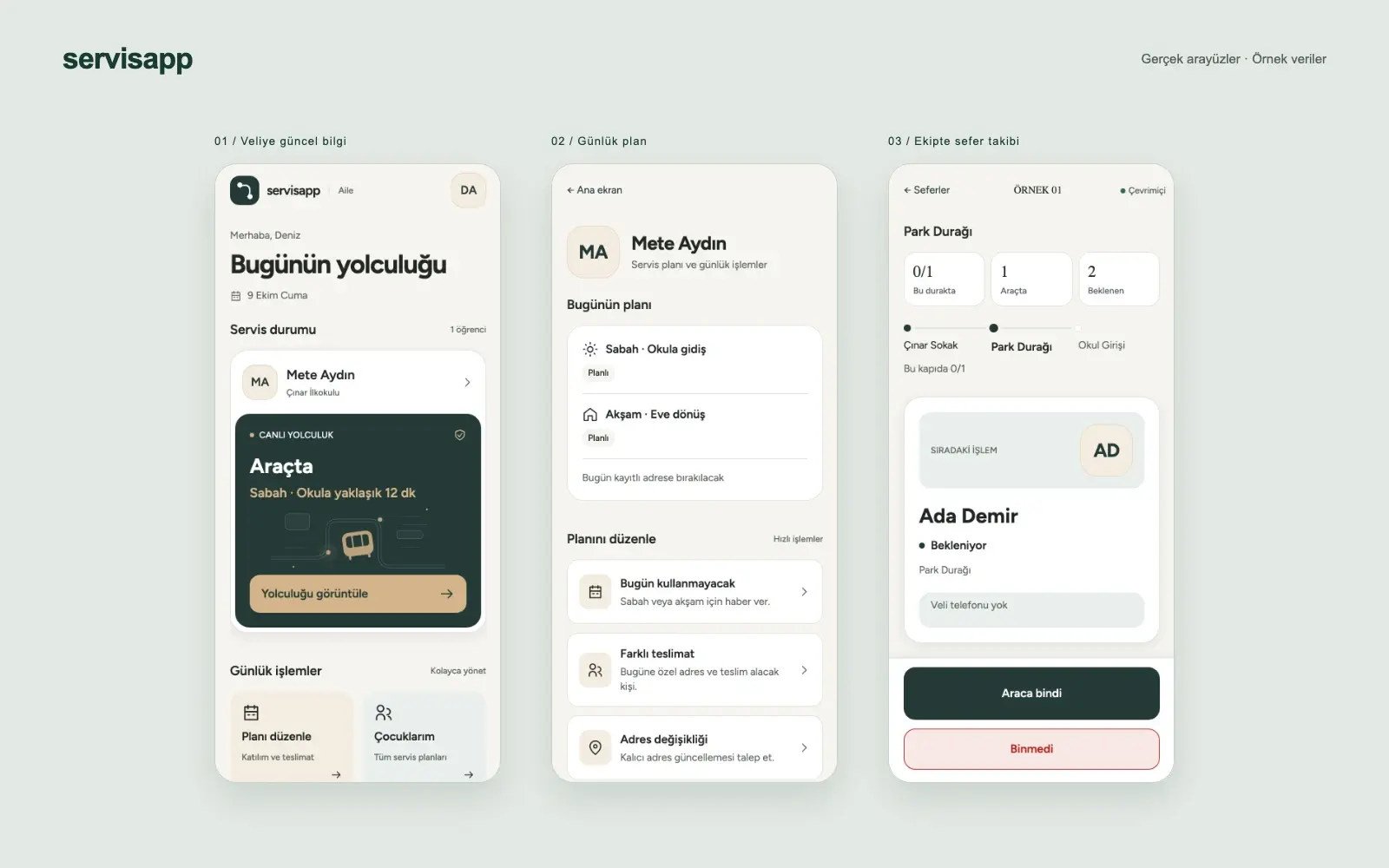
Time difference with Amsterdam
Amsterdam hours against Istanbul
| Time in the city | Istanbul, summer | Istanbul, winter | On our side in summer |
|---|---|---|---|
| 08:00 | 09:00 | 10:00 | Morning, planning and review |
| 10:00 | 11:00 | 12:00 | Morning, planning and review |
| 12:00 | 13:00 | 14:00 | Working hours, team online |
| 15:00 | 16:00 | 17:00 | Working hours, team online |
| 17:00 | 18:00 | 19:00 | Evening, handoff notes |
How a project runs
From first conversation to launch
Discovery
We document the business goal, audience, available material, and technical constraints.
Scope
Pages, features, priorities, responsibilities, and review criteria are written down.
Design
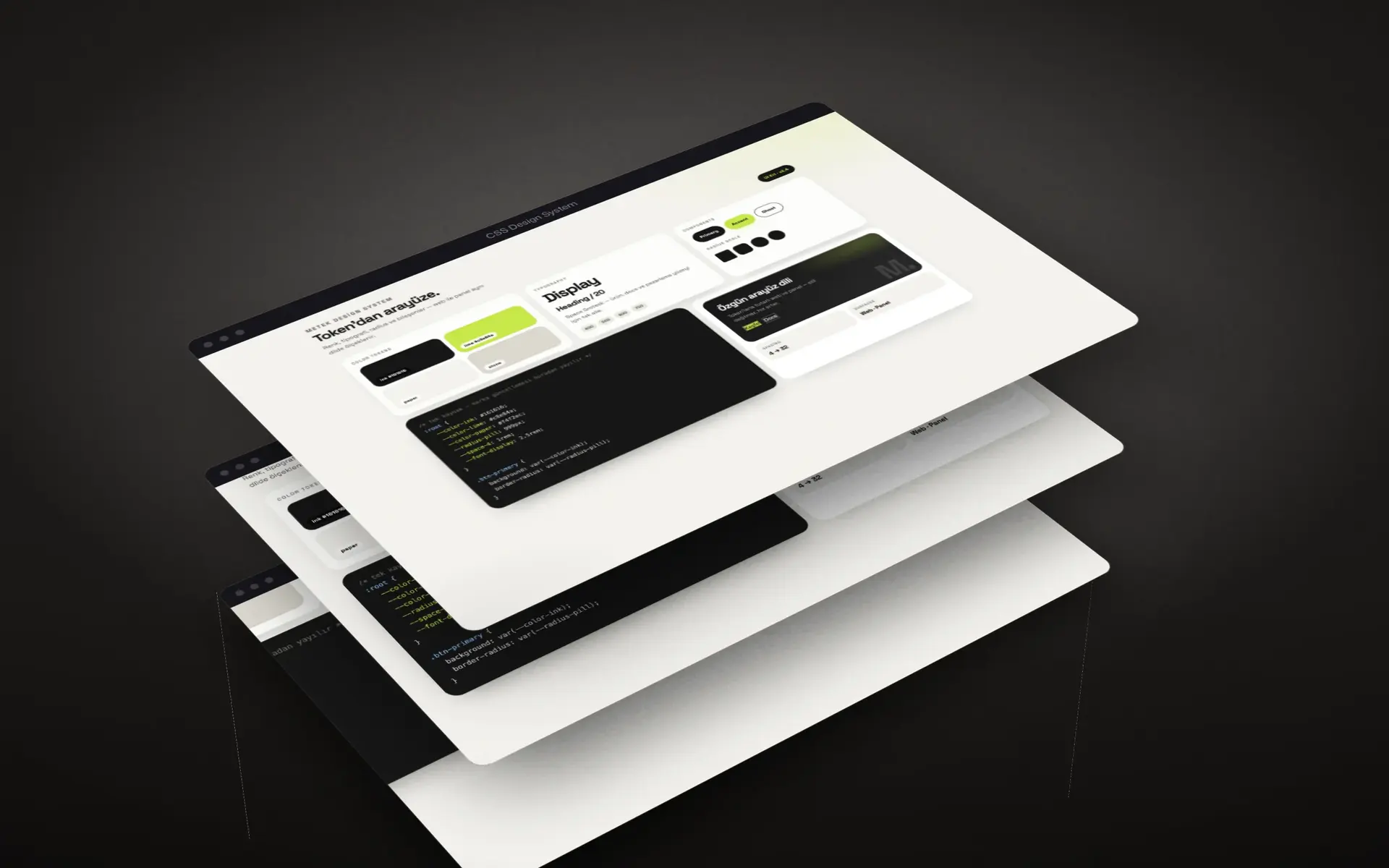
We establish the interface, component rules, and a CSS design system when the project needs one.
Development
We implement the approved interface and connect the required panels, CRM functions, or messaging tools.
Quality review
We review mobile behavior, performance, core accessibility requirements, and technical SEO.
Launch
The approved release goes live with the agreed support period and content handoff.
Technology used in this work
- Next.js
- React
- TypeScript
- GSAP
- Lenis
- CSS Custom Properties
- Design Tokens
Frequently asked questions
Can you build the storefront on our existing commerce platform?
Often, through its API, as a custom front end. Whether that is sensible depends on the platform's limits, which we check in the first conversation.
Do you write Dutch copy?
Not in house. We work with a native reviewer and scope Dutch separately.
How do you measure site speed?
With field data when the site has traffic and lab tests on a mid-range phone before launch, reported in the handover.
Nearby cities and capabilities
- 01Core Web Vitals for business websites
- 02Multilingual websites and technical SEO
- 03Custom software for commerce and logistics
- 04Software and websites for London
- 05Software and websites for Dublin
- 06Software and websites for Dubai
- 07All the markets we work with
- 08What we build for US companies
- 09Selected projects and case studies
Tell us what you need built.
Write the business, the market you sell to and what a visitor should be able to do. We reply with the questions that settle scope.