From the weekend prototype to something you can charge for.
For Austin founders with a working demo and a launch date: we decide what to keep, rebuild what will not hold, and ship.
- 10
- Products built in-house
- 12
- Web projects in the portfolio
- 04
- Site languages: EN, TR, ES, DE
- UTC+3
- Overlaps US mornings and the full EU workday
Founders in Austin often arrive with a prototype built over a few weekends and a launch date that is already public. The useful question is which parts to keep. We read the code first, then give you a list: this works, this gets rebuilt, this is missing.
What a prototype is usually missing
It is rarely the interface. It is sign-in that handles a forgotten password, payments that survive a failed webhook, an admin screen so the founder can stop editing the database by hand, error reports that reach someone, and a few tests around the money paths. We build those in Next.js and TypeScript unless your stack points elsewhere.
Our write-up on scoping a SaaS first release lists what we put in and what we leave for later. It is a good thing to read before you decide how much to ask us for.
Hardware-adjacent software
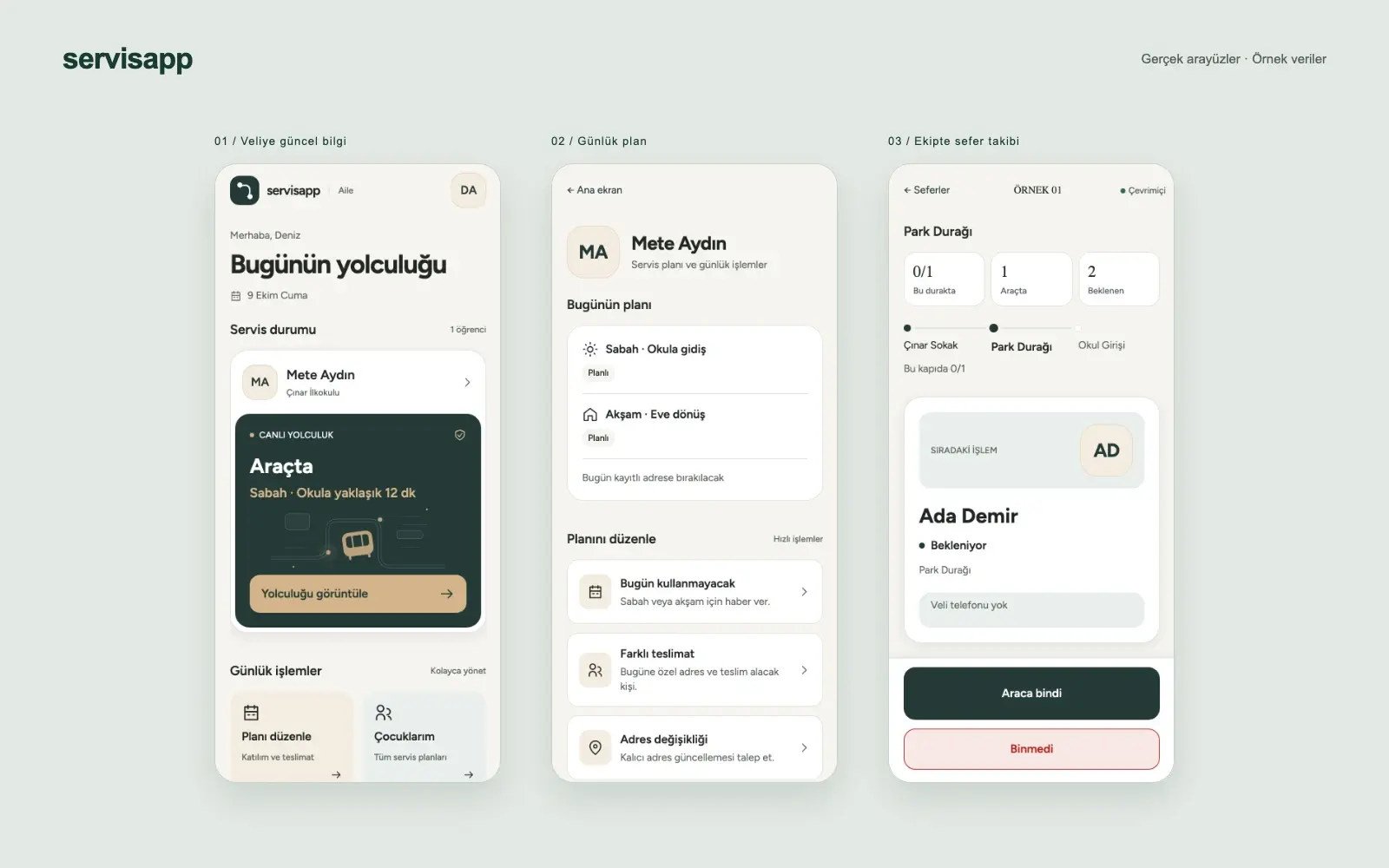
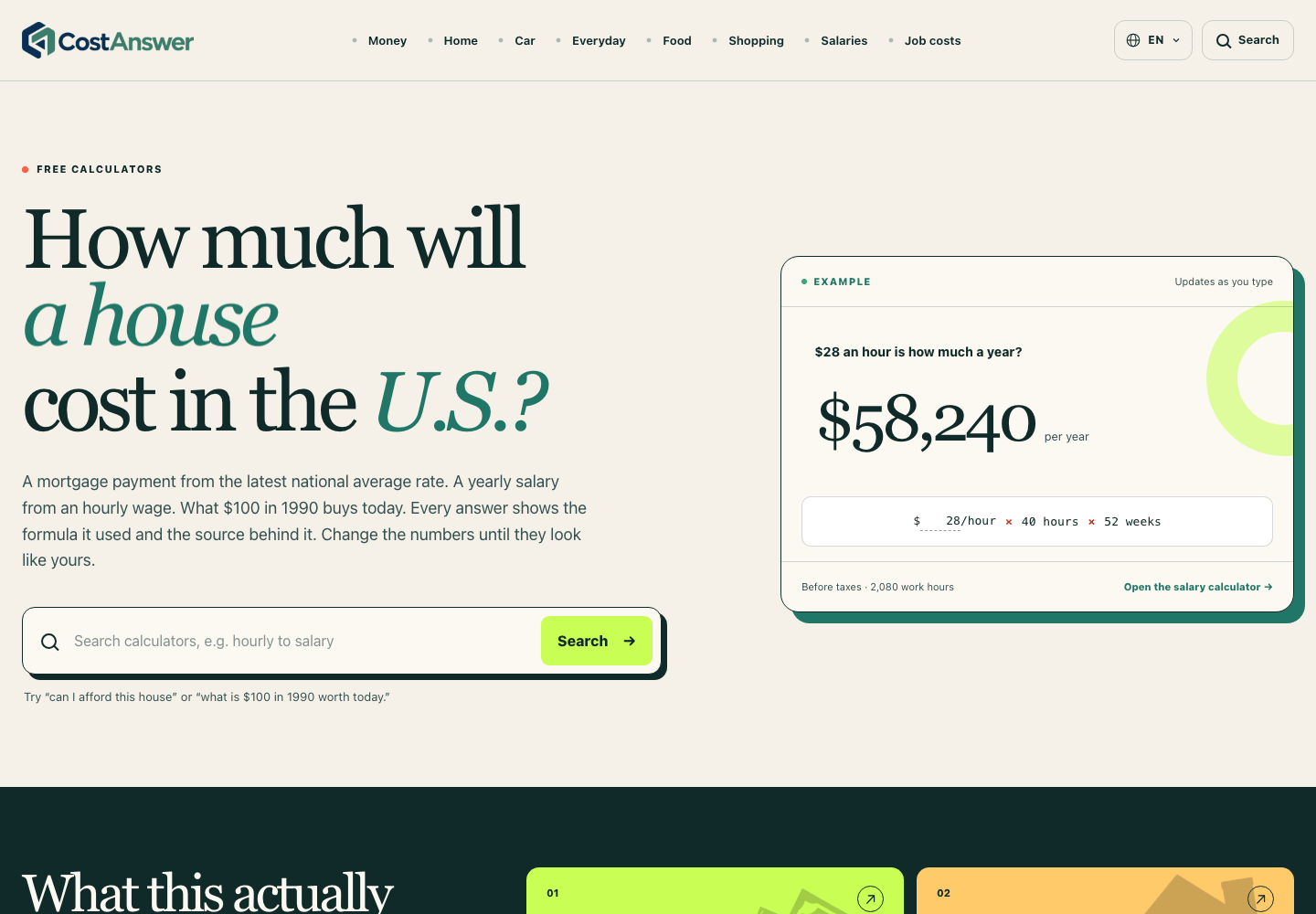
Austin has a lot of hardware, from chips to batteries to vehicles. The software around hardware tends to be field-service apps, dashboards and customer portals. ServisApp, our school-transport platform, connects several kinds of users around one school trip. CostAnswer is a data-heavy tool built around calculators. Both show how we structure apps with many roles and a lot of numbers.
Central time is workable
Eight hours in summer, nine in winter. Your 8:30 a.m. standup is 4:30 or 5:30 p.m. here. Most of the day's decisions happen in that hour, and the rest moves through written updates.
Time difference with Austin
Austin hours against Istanbul
| Time in the city | Istanbul, summer | Istanbul, winter | On our side in summer |
|---|---|---|---|
| 08:00 | 16:00 | 17:00 | Working hours, team online |
| 10:00 | 18:00 | 19:00 | Evening, handoff notes |
| 12:00 | 20:00 | 21:00 | Evening, handoff notes |
| 15:00 | 23:00 | 00:00 (next day) | Offline, reply next morning |
| 17:00 | 01:00 (next day) | 02:00 (next day) | Offline, reply next morning |
How a project runs
From first conversation to launch
Discovery
We document the business goal, audience, available material, and technical constraints.
Scope
Pages, features, priorities, responsibilities, and review criteria are written down.
Design
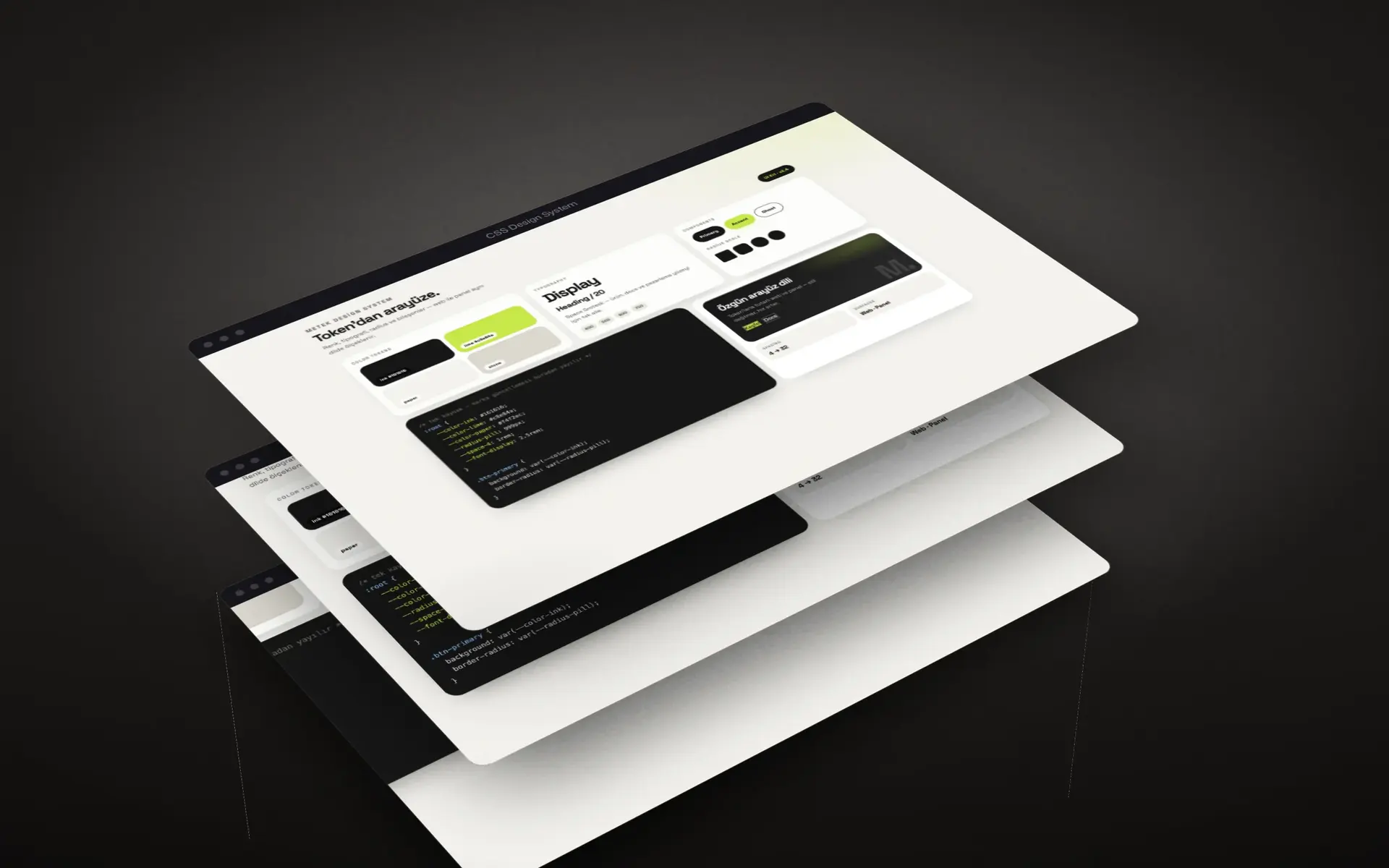
We establish the interface, component rules, and a CSS design system when the project needs one.
Development
We implement the approved interface and connect the required panels, CRM functions, or messaging tools.
Quality review
We review mobile behavior, performance, core accessibility requirements, and technical SEO.
Launch
The approved release goes live with the agreed support period and content handoff.
Technology used in this work
- Structured US public datasets
- Versioned data snapshots
- Tested calculation engines
- TypeScript and Node.js execution runtime
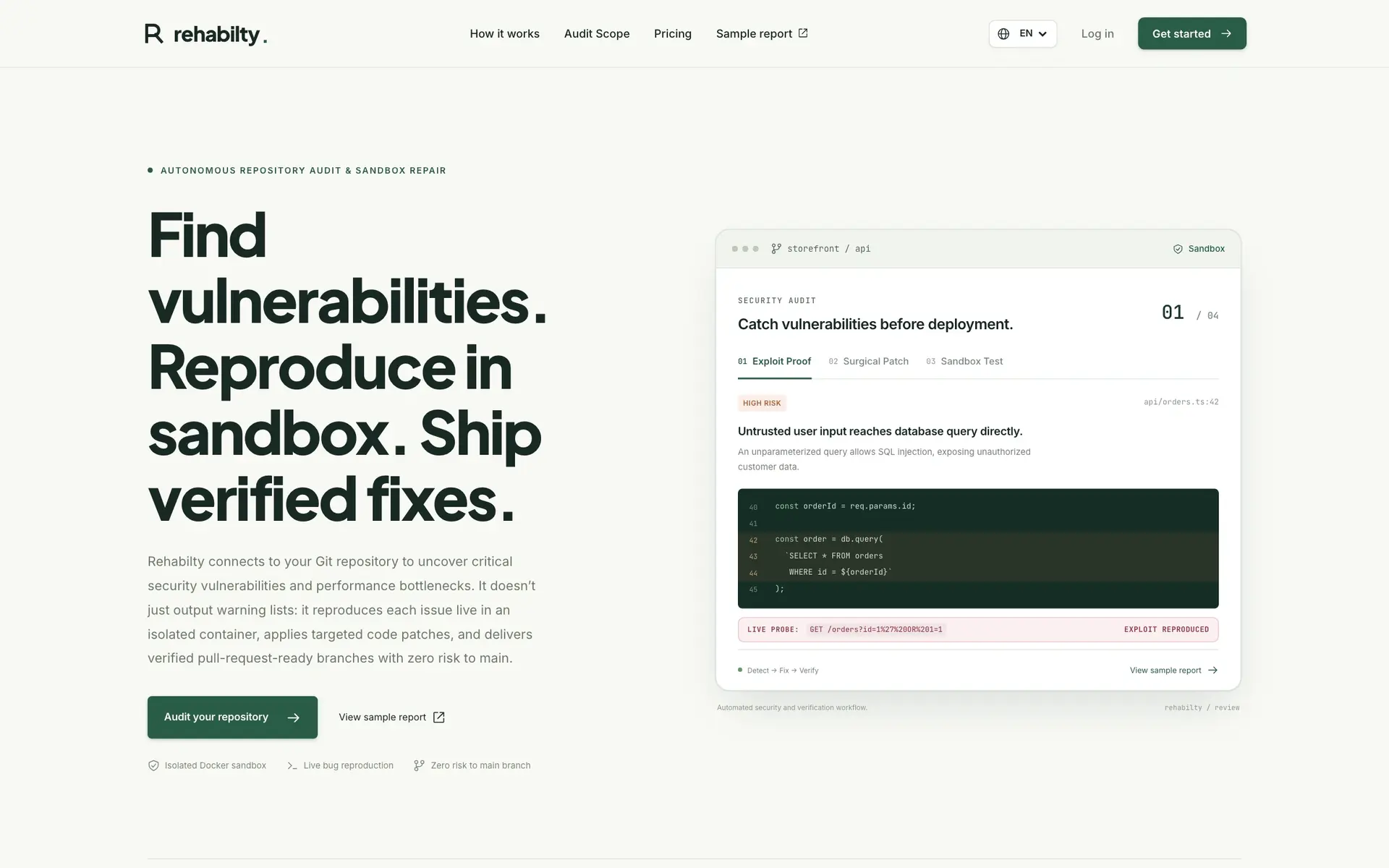
- Containerized sandbox isolation
- Playwright integration and browser regression suites
- Modern AST parsers and static analyzer tooling
- CSS Custom Properties
- Design Tokens
Frequently asked questions
Will you rewrite everything?
Usually not. After reading the code we separate what stays, what is rebuilt and what is missing, and you decide from that list.
Can you add an AI feature to an existing app?
Yes. We define the single job the feature does, what data it may read, and what a person must approve, then build and test it against real examples from your product.
How do we start?
Send repository access, even read-only, and a paragraph on what the launch must do. We reply with the keep, rebuild and missing list.
Nearby cities and capabilities
- 01SaaS development for US startups
- 02What a SaaS MVP should contain
- 03Mobile apps for a product that already has an API
- 04Software and websites for Dallas
- 05Software and websites for Houston
- 06Software and websites for San Francisco
- 07All the markets we work with
- 08What we build for US companies
- 09Selected projects and case studies
Tell us what you need built.
Write the business, the market you sell to and what a visitor should be able to do. We reply with the questions that settle scope.