Build the SaaS product, not just the prototype.
We help founders and product teams take a SaaS idea from first scope to a product customers sign up for, pay for and keep using.
- 10
- Products built in-house
- 12
- Web projects in the portfolio
- 04
- Site languages: EN, TR, ES, DE
- UTC+3
- Overlaps US mornings and the full EU workday
A SaaS product is more than its core feature. It needs accounts, roles, billing, onboarding, email, an admin view for your own team and a codebase that survives the second hundred customers. We build and run our own products, so we plan those parts from the first week and do not discover them after launch.
From idea to first version
We start with the customer, the problem and the moment they would pay. That defines the smallest product worth selling. Everything else goes on a written roadmap with a reason attached, so scope decisions are deliberate.
The first version ships to real users on production infrastructure, with analytics in place to show what they actually use.
The parts every SaaS needs
Authentication, organizations and roles. Subscription billing with invoices and failed-payment handling. Onboarding that gets a new account to its first useful result. Transactional email that reaches the inbox. An internal admin panel, so your team can support customers without touching the database.
They decide whether the product can be sold and supported, so we build them alongside the core feature and leave nothing for a later release.
Multi-tenant design
Every customer's data has to stay separate, and the rule that enforces it should live in one place rather than in every query. We choose the isolation model with you based on your customers: a shared database with strict row-level rules is common and economical, and some enterprise buyers will ask for stronger separation. Deciding early costs little. Changing it after a hundred customers is expensive.
Data and AI features
If the product includes AI, we treat it as a feature with an evaluation set, a cost cap and a model you can swap, not as a demo bolted on. We also plan what customer data may be sent to a model provider and say so in the privacy page that accompanies the product.
After launch
Once users arrive, the work shifts to support, fixes and the next feature. We stay on as the product team for some founders. Others hire in-house and take the handoff, which includes documentation, a deployment guide and the roadmap with its reasons.
Why founders work with us
We build SaaS because we operate SaaS.
Live products of our own
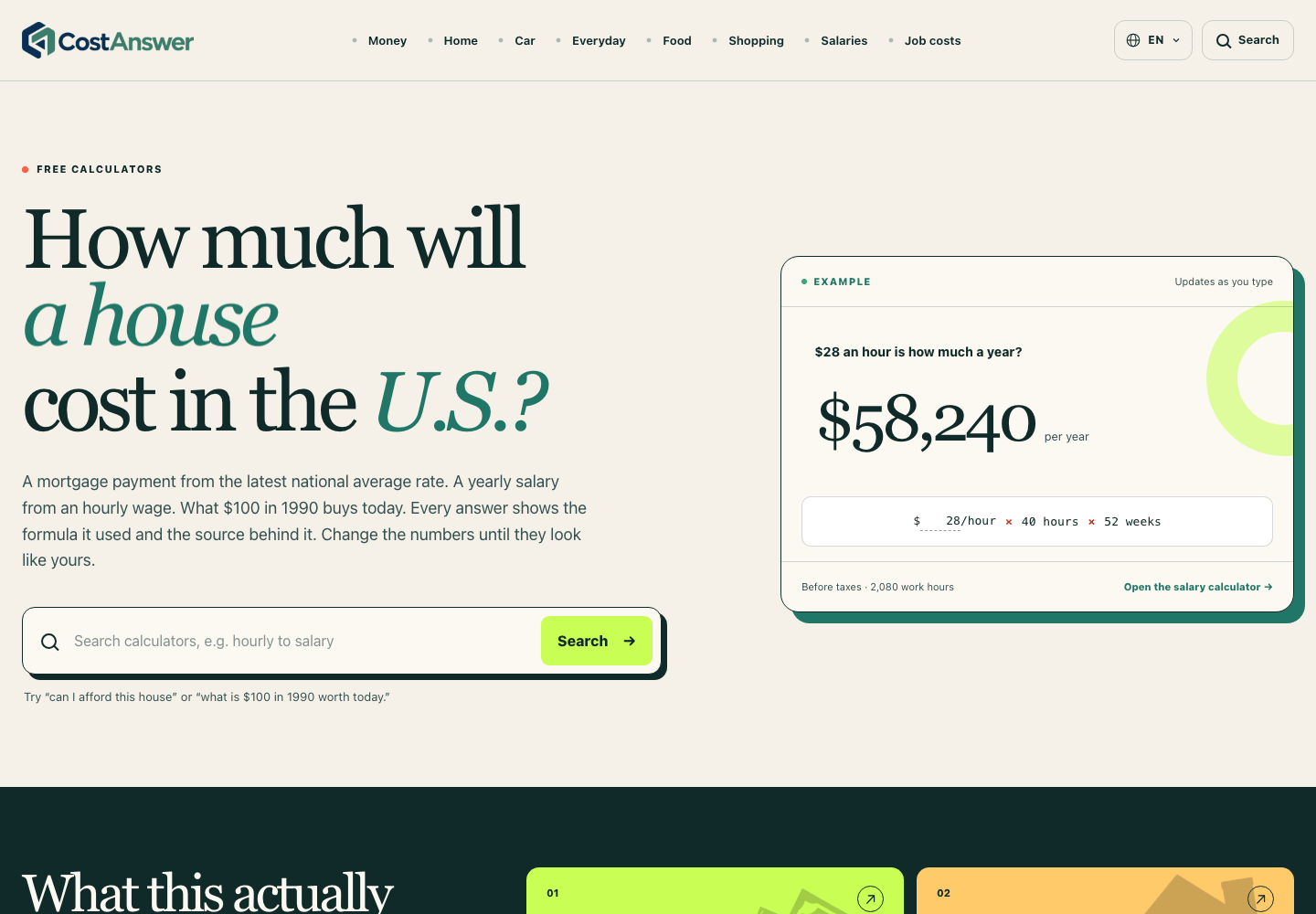
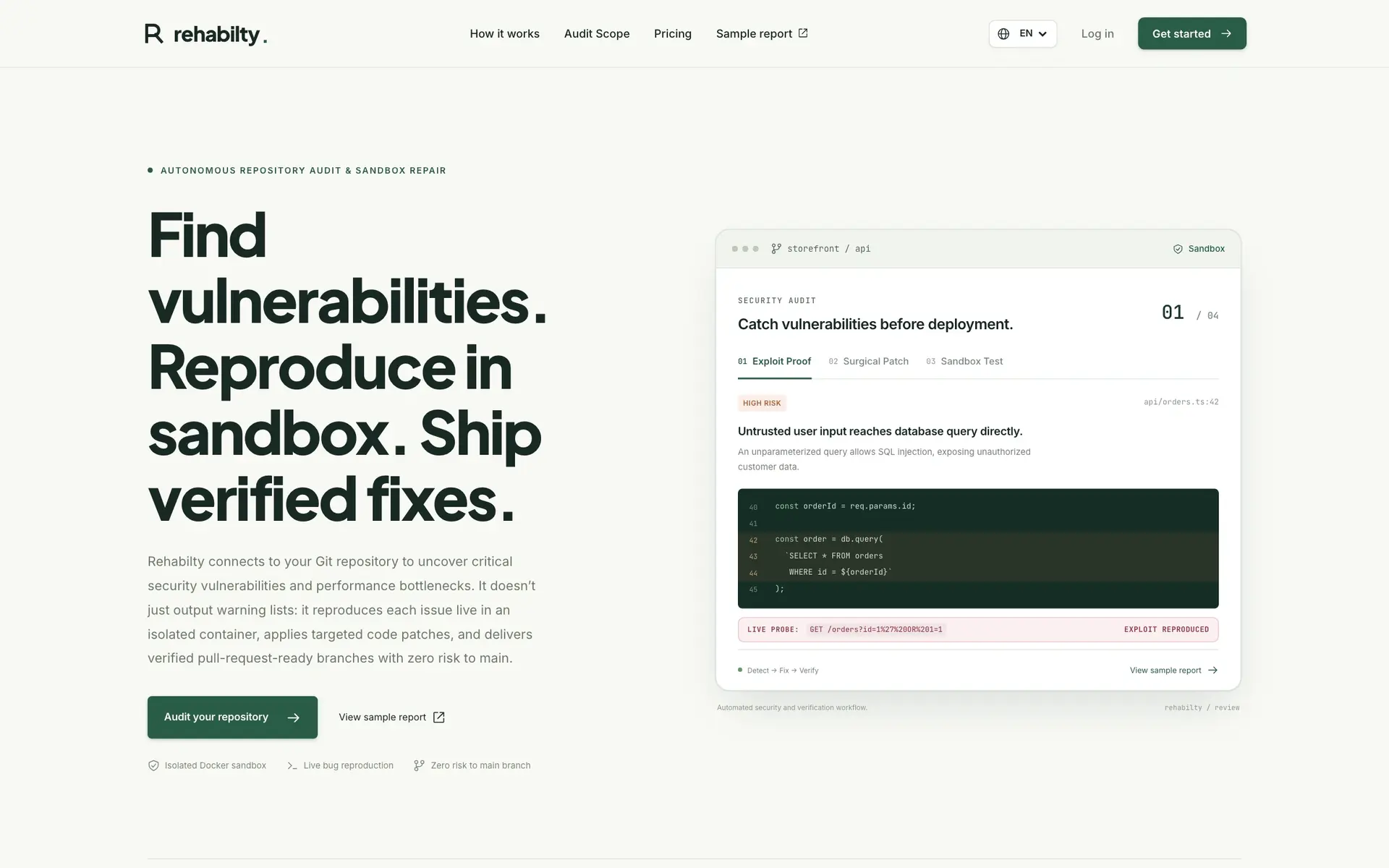
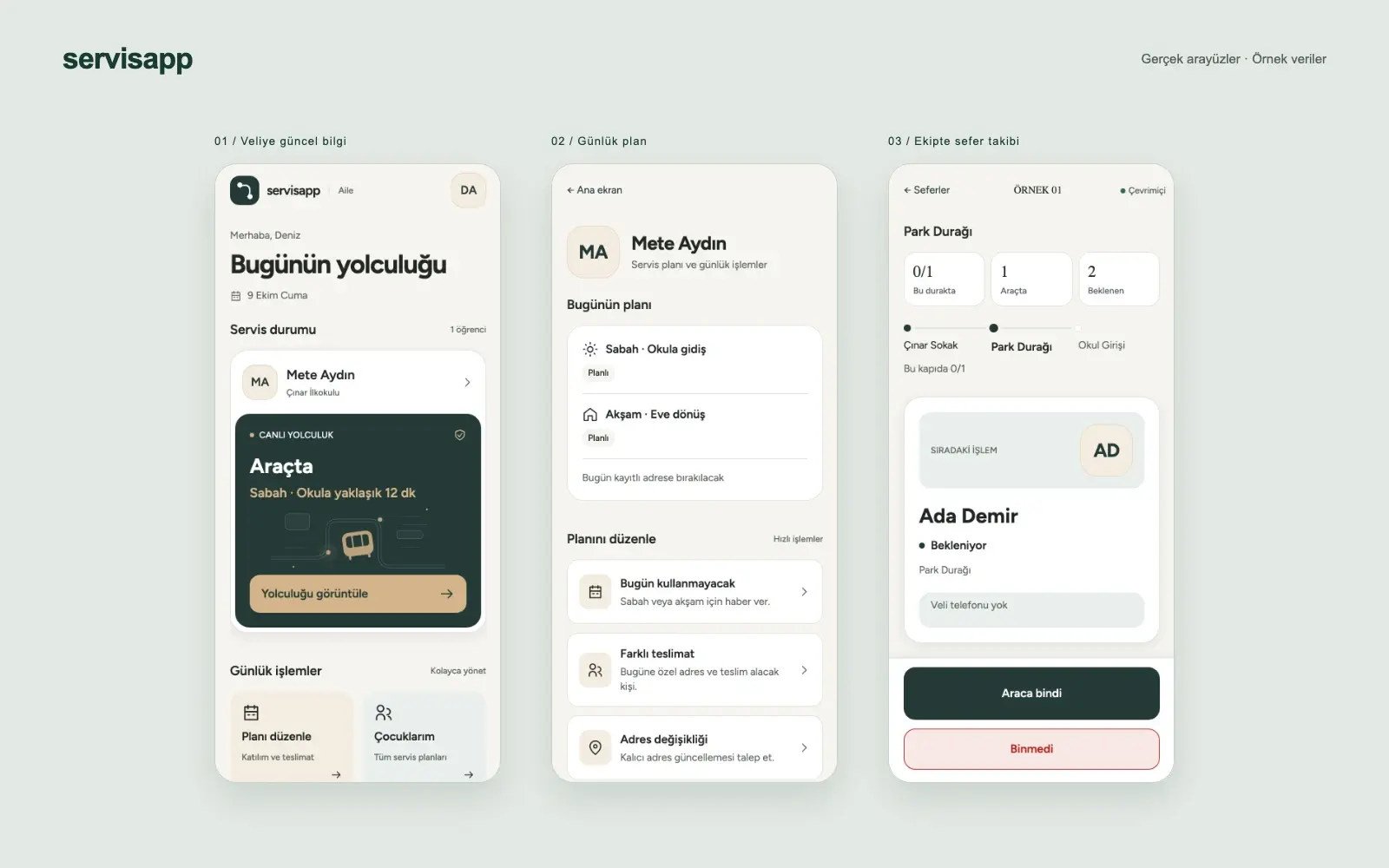
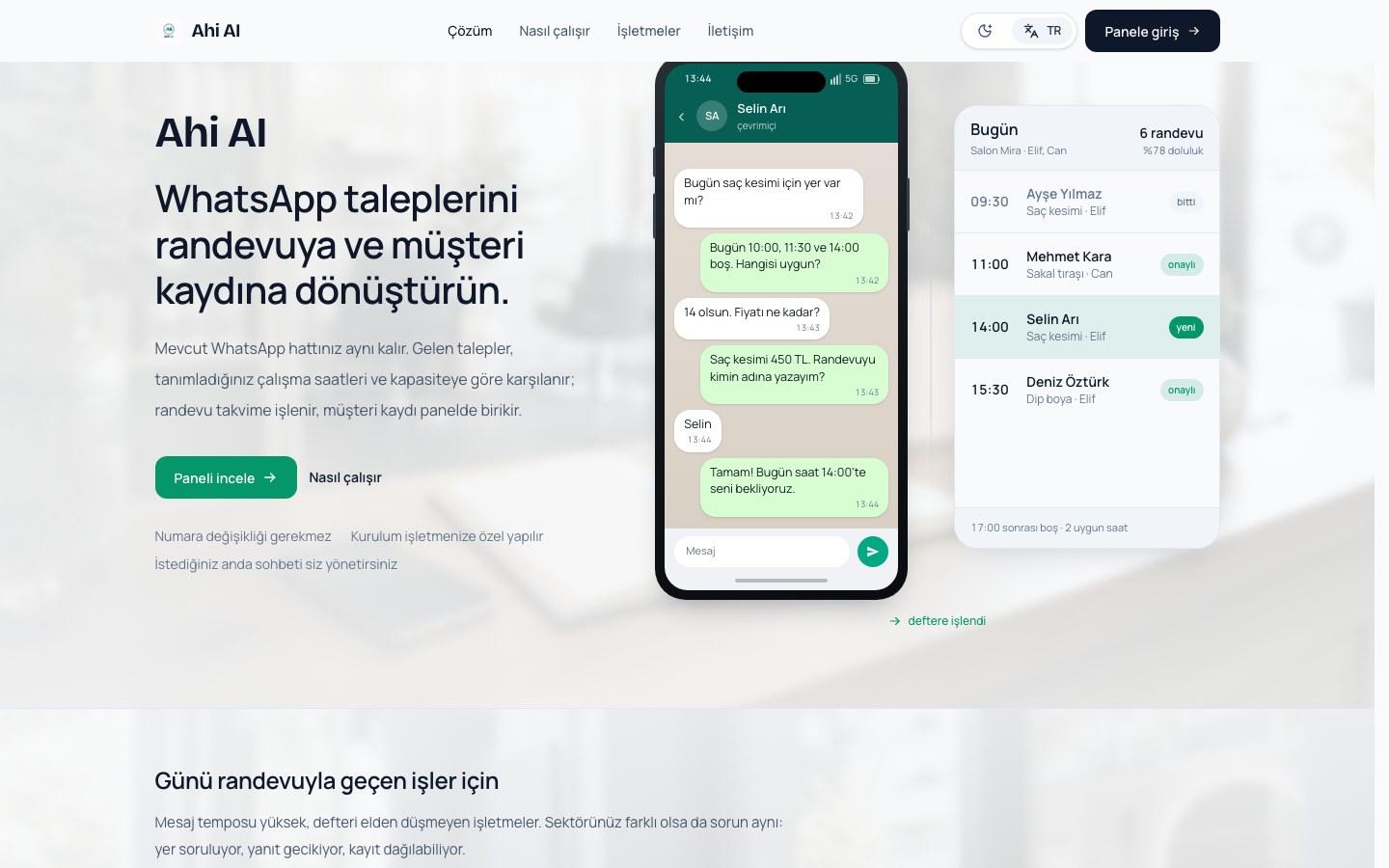
CostAnswer and Rehabilty are live public products built and operated by METEK Technologies, with their own pricing pages, data pipelines and users.
Scope that protects the launch
We separate what the first paying customer needs from what can wait, and we write it down so nice-to-haves do not eat the launch date.
Architecture for the second hundred customers
Multi-tenant data, role-based access and background jobs are designed in from the start.
Scope
What a SaaS engagement includes
Product scope and roadmap
The smallest product worth selling, with the rest ordered and reasoned.
Application and design system
Customer dashboard, onboarding and the components behind them.
Accounts, roles and billing
Organizations, permissions, subscriptions and invoices.
Admin panel
Support, plan changes and visibility for your own team.
Infrastructure and monitoring
Production hosting, backups, logging and alerts.
Documentation and handoff
Architecture, deployment guide and the decisions behind them.
Getting a first version
No-code, freelancer, product studio or in-house hire
| Route | Good for | Watch for | Notes |
|---|---|---|---|
| No-code tools | Testing demand before writing code | Permissions, scale and moving the product elsewhere later | A good first test. Plan the exit. |
| A single freelancer | A narrow, well-defined build | Bus factor, review, and the parts that are not the core feature | Works when you can review the code yourself. |
| A product studio like ours | A full first version with the unglamorous parts included | Needs your involvement in scope decisions | Where we fit best. |
| An in-house hire | A long-term product with steady funding | Hiring time before anything ships | Often the next step after a first version exists. |
How a project runs
From first conversation to launch
Discovery
We document the business goal, audience, available material, and technical constraints.
Scope
Pages, features, priorities, responsibilities, and review criteria are written down.
Design
We establish the interface, component rules, and a CSS design system when the project needs one.
Development
We implement the approved interface and connect the required panels, CRM functions, or messaging tools.
Quality review
We review mobile behavior, performance, core accessibility requirements, and technical SEO.
Launch
The approved release goes live with the agreed support period and content handoff.
Technology used in this work
- Structured US public datasets
- Versioned data snapshots
- Tested calculation engines
- TypeScript and Node.js execution runtime
- Containerized sandbox isolation
- Playwright integration and browser regression suites
- Modern AST parsers and static analyzer tooling
Questions we are asked
Can you build an MVP quickly?
We can ship a focused first version fast when the scope is honest about what it leaves out. We will tell you if the list is too long for the date you have in mind.
Which stack do you use for SaaS?
TypeScript, React and Next.js on the front, Node.js services and PostgreSQL behind them as our default. We adapt to your hosting and your team's skills.
Do you handle hosting and operations?
We set up production infrastructure in accounts under your organization, with backups, monitoring and a deployment process your team can run.
Can you join as our product team after launch?
Yes, on a defined scope each month, or you can take over with our documentation and keep us for advice.
Who owns the product and the code?
You do, from the first commit.
Describe the customer and the moment they would pay.
Tell us who the product is for and what it should do on day one. We will say what a first version contains and what waits.