Voice AI that listens, acts and logs.
We build voice assistants for phone lines and for products: a caller books or asks a status question, a user speaks a command, and every exchange is logged.
- 10
- Products built in-house
- 12
- Web projects in the portfolio
- 04
- Site languages: EN, TR, ES, DE
- UTC+3
- Overlaps US mornings and the full EU workday
“Voice AI” covers two different jobs. One answers a telephone: the caller asks about an appointment or an order, and the assistant looks it up. The other puts speech inside a product, as spoken commands or as a voice that reads text aloud. Both look simple in a demo. Both fall apart on noisy lines, interruptions and the exact reading of a street address, and that is where most of our work goes.
Two jobs people mean by voice AI
A phone agent takes inbound calls for a defined set of jobs: book, reschedule, check status, take a message. Speech inside a product covers voice commands for hands-busy work and spoken output for accessibility or for content such as lessons and notifications.
The two share components but not risk. A phone agent talks to the public. A command interface talks to a machine, and its mistakes can cost more than an annoyed caller.
What makes a phone agent feel wrong
Latency, for a start: a pause of more than a second feels broken. Then interruptions, since callers talk over the assistant, and noisy lines, accents and spelled-out numbers. We design short turns, confirm the details that matter back to the caller, such as the date and the phone number, and move to a person quickly when confidence drops.
Consent and recording rules
Recording a call needs consent, and in the US the rule depends on the state. Several states require every party to agree. Outbound calls carry their own rules: the FCC has ruled that AI-generated voices count as artificial voices under the Telephone Consumer Protection Act, so calling people with one needs prior express consent.
Voiceprints are a separate matter. Illinois treats them as biometric identifiers with their own consent duties. Turning speech into text or a command is one thing, and identifying who is speaking is another, so we keep them apart at scoping. Your counsel decides what applies to your calls.
Voice for machines
Industrial Voice AI converts a spoken instruction into a command and validates and simulates it before anything reaches a control system. A misheard number should be caught by the validation, not by the machine. Each plant integration is scoped on its own, since the safety rules belong to the site.
Transcripts and handoff
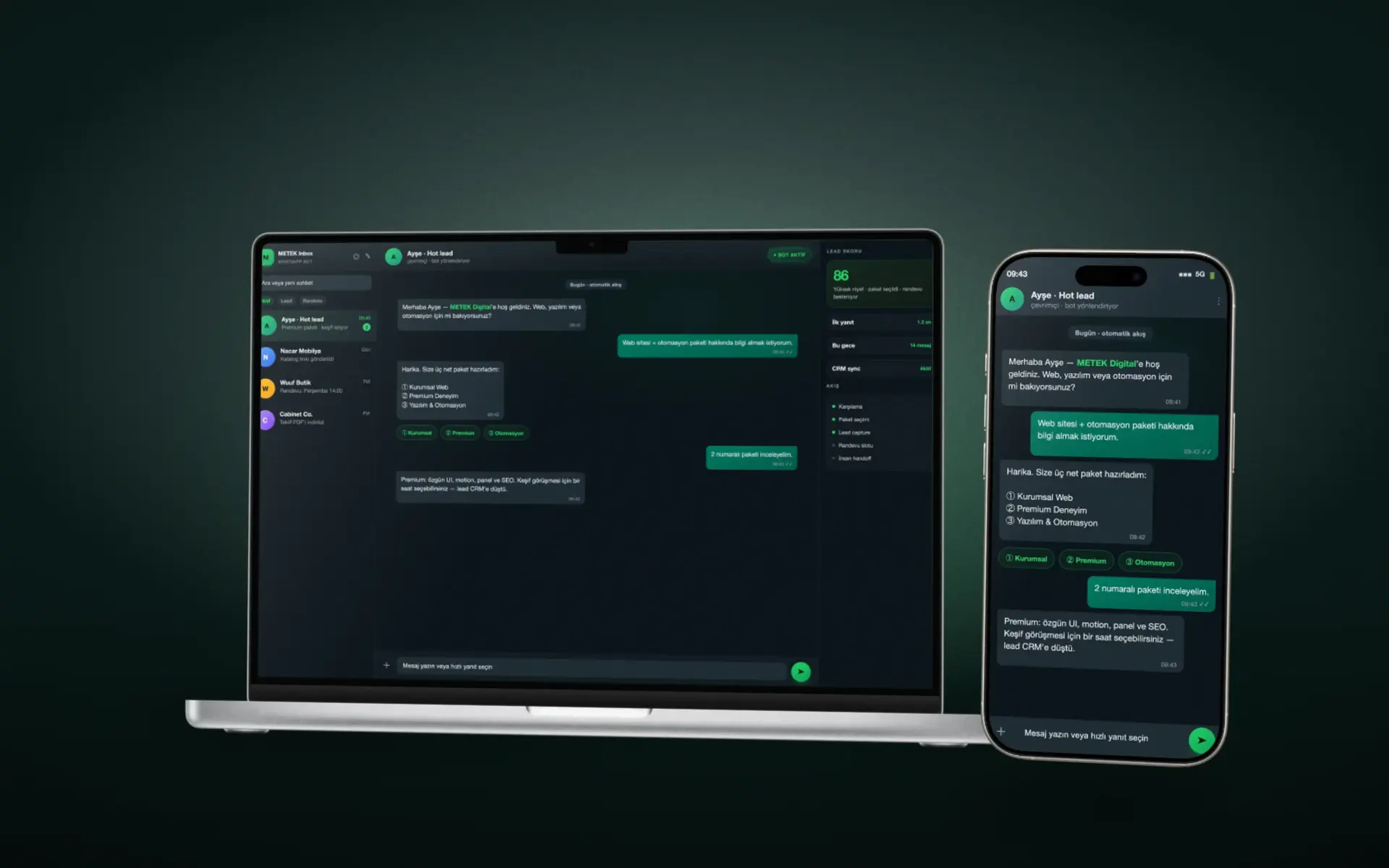
Every interaction produces a transcript and a structured outcome: what was asked, what was done, what remains. When a person takes over, they see both before they say hello.
Why teams work with us
Voice with limits, records and an exit.
Speech in our own products
Our text-to-speech product puts natural voices inside other products. Industrial Voice AI turns spoken instructions into validated machine commands.
Every call has a record
Transcripts and outcomes are stored, so you can review what the assistant heard and did.
A quick path to a person
When the caller is stuck, annoyed or asking for something unusual, the call moves to a human with the details already captured.


Scope
What a voice project includes
Call flow design
The jobs the assistant handles, the confirmations and the exits.
Speech components
Speech to text, text to speech and the telephony connection.
Integration
Calendar, CRM or the records the calls need.
Consent and recording setup
Wording, storage and retention agreed with your counsel.
Testing on real audio
Noisy lines, accents and interruptions, before launch.
Transcripts and review
Searchable records with outcomes.
Choosing a setup
Phone menu, callback, AI phone agent or answering service
| Setup | Good for | Weak at | Notes |
|---|---|---|---|
| Phone menu (IVR) | A few clear choices and routing to a department | Anything the menu did not anticipate | Cheap and predictable. Fine for routing. |
| Voicemail and callback | Low call volume and non-urgent requests | Callers who want an answer now | A reasonable baseline. |
| AI phone agent | Repeated, structured calls: booking, status, intake | Emotional calls, negotiations and unclear requests | Worth it when call volume is steady. Keep an exit to a person. |
| Human answering service | Judgment, empathy and unpredictable calls | Cost per call at high volume | Often the right backstop behind the agent. |
How a project runs
From first conversation to launch
Discovery
We document the business goal, audience, available material, and technical constraints.
Scope
Pages, features, priorities, responsibilities, and review criteria are written down.
Design
We establish the interface, component rules, and a CSS design system when the project needs one.
Development
We implement the approved interface and connect the required panels, CRM functions, or messaging tools.
Quality review
We review mobile behavior, performance, core accessibility requirements, and technical SEO.
Launch
The approved release goes live with the agreed support period and content handoff.
Technology used in this work
- WhatsApp Cloud API
- n8n
- Python
- PostgreSQL
Questions we are asked
Can the voice agent book appointments straight into our calendar?
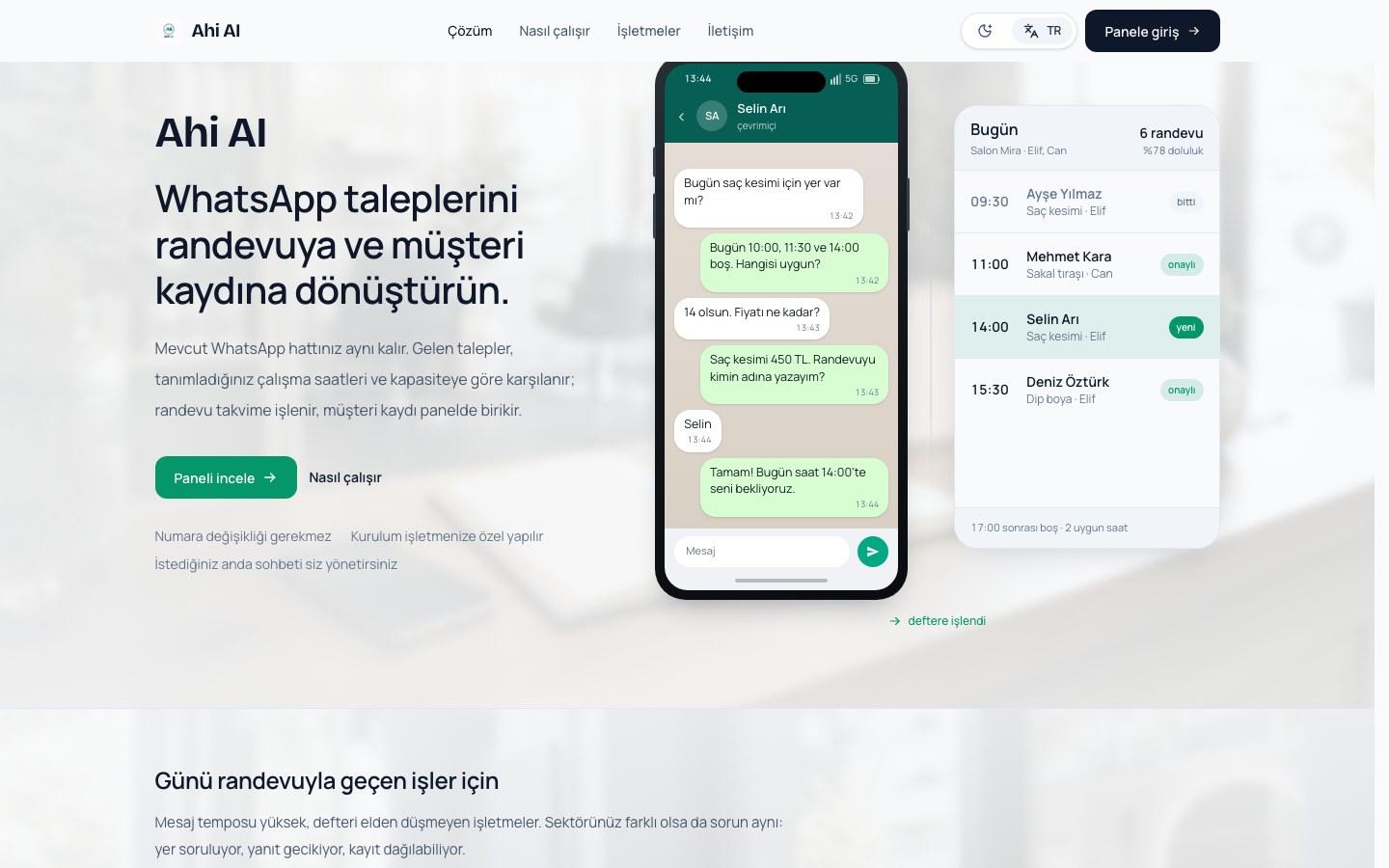
Yes, when the calendar has an API. The agent checks open slots, confirms the details back to the caller and writes the booking.
Do we get a transcript of every call?
Yes, with a structured outcome for each one. Retention and access follow rules we set with you.
Can you embed voice inside our mobile or web app?
Yes. Spoken commands, spoken output or both can be added to an existing product behind a small interface.
What happens when the caller is not understood?
The assistant asks once, confirms what it heard and, if confidence stays low, moves the call to a person or takes a message. It does not guess.
Tell us which calls you want to stop answering by hand.
Describe the five most common call types and how long each takes today. We will say which a voice assistant can take and which it should not.