Tracking and payments tools for Atlanta operators.
Status boards for freight and field work, and integrations that leave card data with the payment provider.
- 10
- Products built in-house
- 12
- Web projects in the portfolio
- 04
- Site languages: EN, TR, ES, DE
- UTC+3
- Overlaps US mornings and the full EU workday
Atlanta moves freight through Hartsfield-Jackson, the rail yards and the interstate crossings, and payments companies cluster around the area people call Transaction Alley. Both industries run on status: where is it, has it cleared, who owns the next step. Most of the tools we build for them answer exactly that.
Logistics tools begin as a spreadsheet
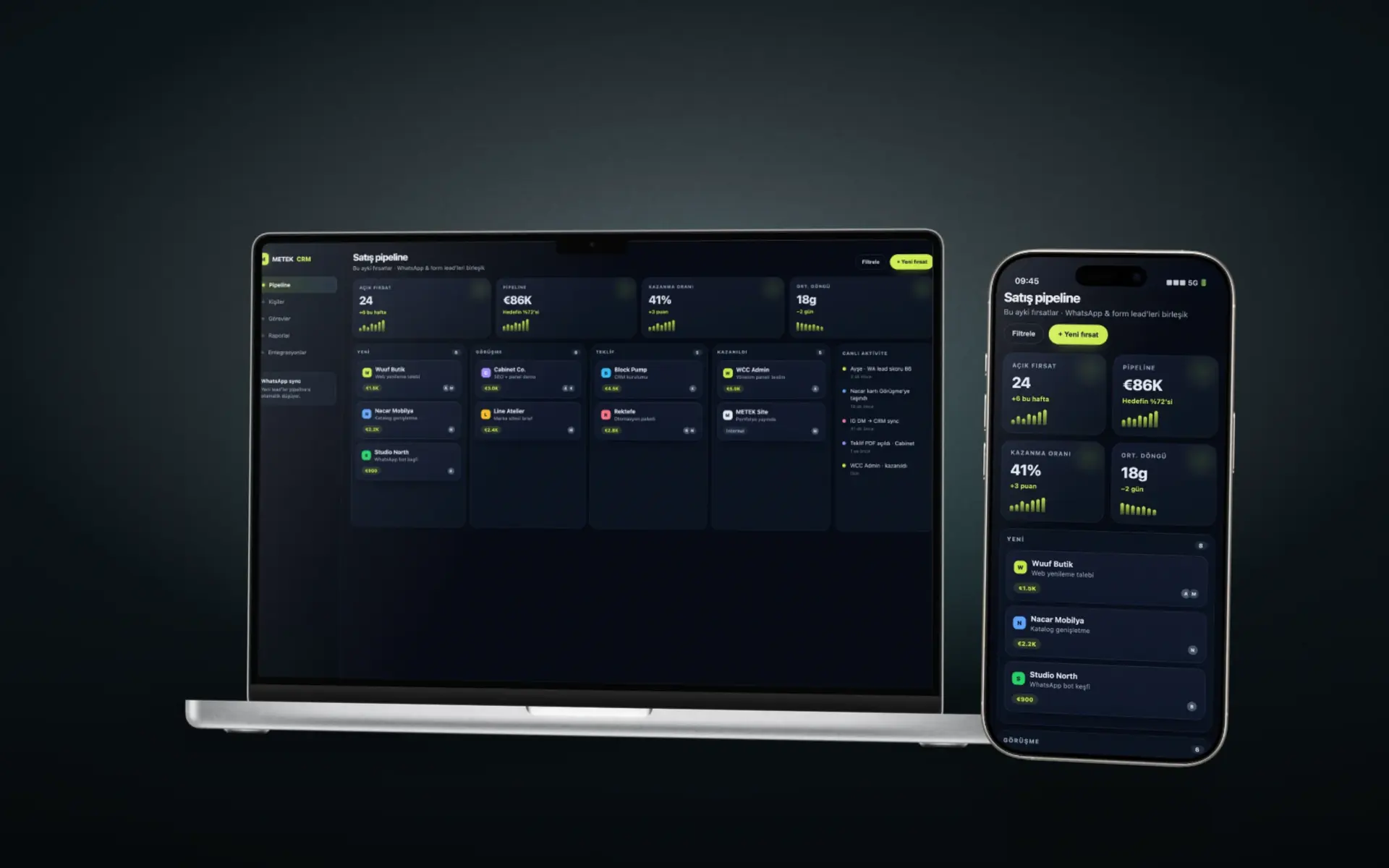
A dispatcher keeps shipments in a sheet, a driver confirms by text, a customer calls to ask. We turn that into a status board: each shipment has an owner and a stage, drivers update from a phone, customers get a link instead of a call. The first version is small on purpose. It replaces the sheet, and then the team tells us what is missing.
Integrate with payments, do not rebuild them
When a product has to take money, we connect to a payment provider's API and keep card data on the provider's side. Our work is the part around it: retries after a failed webhook, reconciliation views for the finance team, and refunds that leave a trail. Regulated payment work beyond that is scoped with your compliance people.
Fleet and service companies
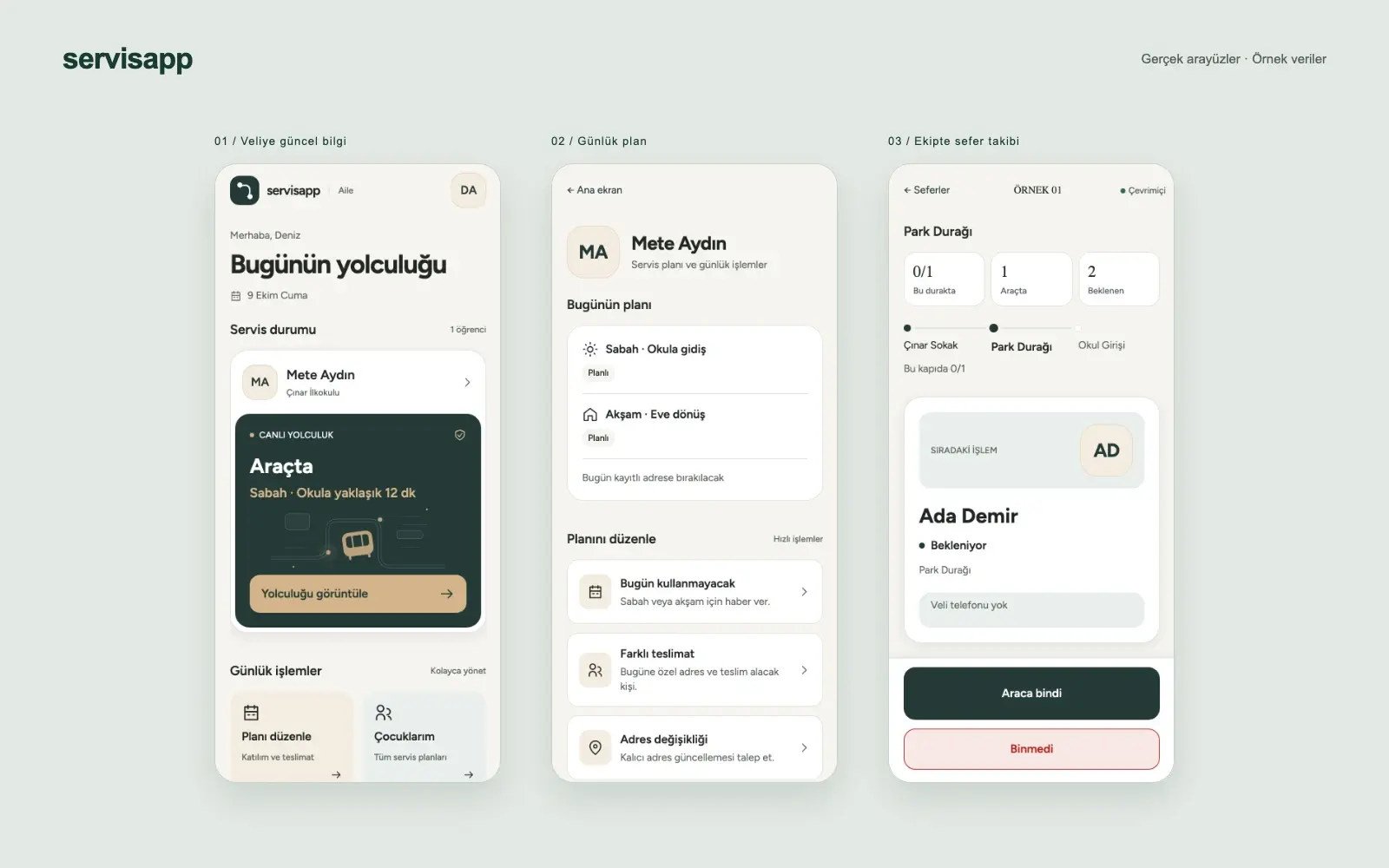
ServisApp, our school-transport platform, shows how we connect several roles around one trip: the parent, the driver and the operations team, each with their own view of the same trip. The pattern of assignments, live status and notifications carries over to a delivery fleet or a service crew.
The clock
The shared window runs from 9 to 11 a.m. Eastern. Seven hours separate us in summer, eight in winter.


Time difference with Atlanta
Atlanta hours against Istanbul
| Time in the city | Istanbul, summer | Istanbul, winter | On our side in summer |
|---|---|---|---|
| 08:00 | 15:00 | 16:00 | Working hours, team online |
| 10:00 | 17:00 | 18:00 | Working hours, team online |
| 12:00 | 19:00 | 20:00 | Evening, handoff notes |
| 15:00 | 22:00 | 23:00 | Offline, reply next morning |
| 17:00 | 00:00 (next day) | 01:00 (next day) | Offline, reply next morning |
How a project runs
From first conversation to launch
Discovery
We document the business goal, audience, available material, and technical constraints.
Scope
Pages, features, priorities, responsibilities, and review criteria are written down.
Design
We establish the interface, component rules, and a CSS design system when the project needs one.
Development
We implement the approved interface and connect the required panels, CRM functions, or messaging tools.
Quality review
We review mobile behavior, performance, core accessibility requirements, and technical SEO.
Launch
The approved release goes live with the agreed support period and content handoff.
Technology used in this work
- Next.js
- TypeScript
- Supabase
- PostgreSQL
- React
- Vite
Frequently asked questions
Can customers track their own shipment?
Yes, through a link or a login. They see the stage and the last update, and your staff control what is shown.
Do you store card numbers?
No. Card data stays with the payment provider. We store the references the provider returns.
Can drivers use it without an app store install?
A mobile web page works for many cases. When a native app is better, for offline use or scanning, we say so at scoping.
Nearby cities and capabilities
- 01Custom software for logistics and operations
- 02Mobile apps for drivers and field crews
- 03What drives the cost of custom software
- 04Software and websites for Miami
- 05Software and websites for New York
- 06Software and websites for Dallas
- 07All the markets we work with
- 08What we build for US companies
- 09Selected projects and case studies
Tell us what you need built.
Write the business, the market you sell to and what a visitor should be able to do. We reply with the questions that settle scope.